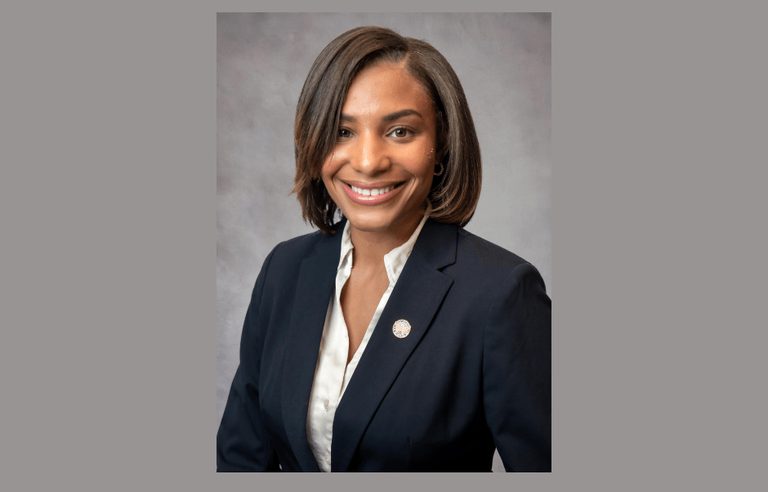
The city of Atlanta has been working to end homelessness through various initiatives, including Downtown Rising, a program aimed at eliminating homelessness in downtown Atlanta ahead of the 2026 World Cup. Chatiqua Ellison, the City of Atlanta’s Deputy Chief Housing Officer and Senior Advisor on Homelessness to Mayor Andre Dickens, recently discussed the city’s efforts to sustain momentum and progress made through Atlanta/Downtown Rising beyond the World Cup.
Collaborative Efforts
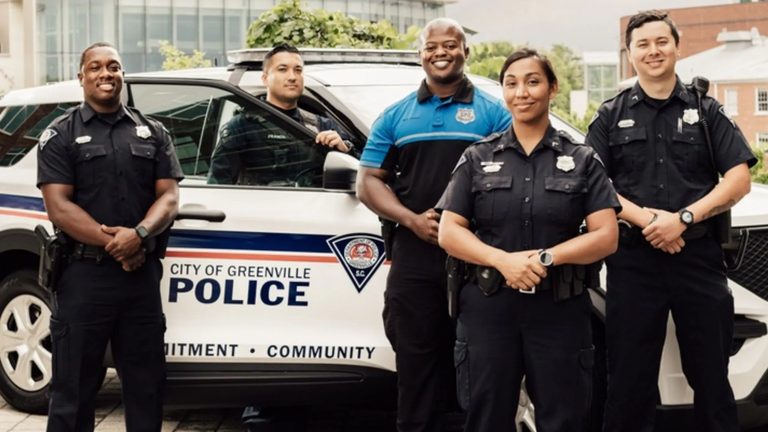
According to Ellison, the success of Downtown Rising showed what is possible when the city, service providers, businesses, and community partners operate as one coordinated system. The initiative brought together an unprecedented level of coordination among downtown businesses, local stakeholders, supportive service organizations, nonprofits, faith-based organizations, the Atlanta Police Department, and outreach teams working directly with individuals experiencing homelessness.
Ellison emphasized that addressing homelessness requires a shared commitment across government, nonprofits, businesses, public safety, faith communities, and service providers. No single entity can solve this challenge alone. Through Hope Atlanta, dedicated outreach workers engaged individuals sleeping outdoors to connect them with shelter, supportive services, healthcare resources, and pathways to permanent housing.
Ensuring Success
Long-term success requires more than simply providing housing. It requires creating stable, supportive communities where residents can thrive and surrounding neighborhoods feel engaged and connected in the process. At properties like Melody and Waterworks, the city and its partners have intentionally combined housing with strong supportive services, professional property management, and robust safety measures.
Residents and community members have direct access to onsite staff and supportive service teams to address concerns quickly, strengthen communication, and foster positive community relationships. These sites also include enhanced security measures, including 24-hour security personnel, modern surveillance systems connected to the Atlanta Police Department’s camera network, and ongoing coordination with local zone leadership and onsite staff.
Challenges Ahead
One of the greatest challenges continues to be sustainable funding. Unlike some jurisdictions, the City of Atlanta does not have a dedicated funding source specifically tied to housing and homelessness services, which can limit the scale and speed of long-term solutions. Despite that challenge, the city has made historic investments in addressing homelessness, including a $60 million commitment through the Homelessness Opportunity Bond.
Original reporting: SaportaReport — read the source article.