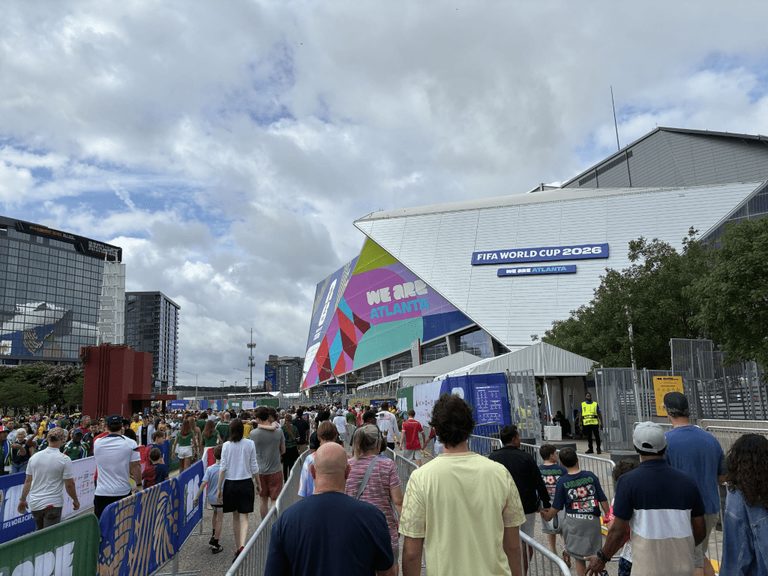
The 2026 FIFA World Cup was a significant event for Atlanta, with the city hosting eight matches and drawing more than 500,000 visitors to the FIFA Fan Festival. The tournament also included over 150 community events and watch parties.
Local Impact
Local government and civic leaders spent 18 months preparing for the tournament, which included infrastructure improvements such as repaving roads, restriping intersections, and installing new streetlights. Some city leaders and entrepreneurs anticipated an economic impact of $415 to $503 million.
However, not all businesses saw the same results. Some local businesses that participated in the city-sponsored Welcome to ATL Experience reported losing thousands of dollars. One business owner spent about $60,000 but only made $1,200 before leaving the event.
Cultural and Environmental Impact
Events like the World Cup provide a cultural and economic impact beyond the balance sheets. Debra Lam, the Founding Director of the Partnership for Innovation, discussed the non-economic impacts, saying, “It’s a great way for the city to come together and for them to celebrate the talent and achievements and find joy in [the] showcase.”
The environmental impact of the tournament is also a concern. Researchers estimated that the 2026 World Cup would be the most polluting in history, generating around 9 million tons of CO2, with 8 million coming from air travel alone.
The Mercedes-Benz Stadium, where some of the matches were held, acknowledged the importance of environmental sustainability. The facility diverted 91 percent of food from landfills to be composted or recycled and achieved LEED O+M v4.1 Platinum certification.
Original reporting: SaportaReport — read the source article.