Sleep apnea is a prevalent health condition affecting millions of Americans, yet a significant number remain undiagnosed. Traditional sleep studies often require overnight lab visits, which can be costly and inconvenient. However, companies like Sleeplay are offering a more accessible alternative: at-home sleep tests.
Convenience and Affordability
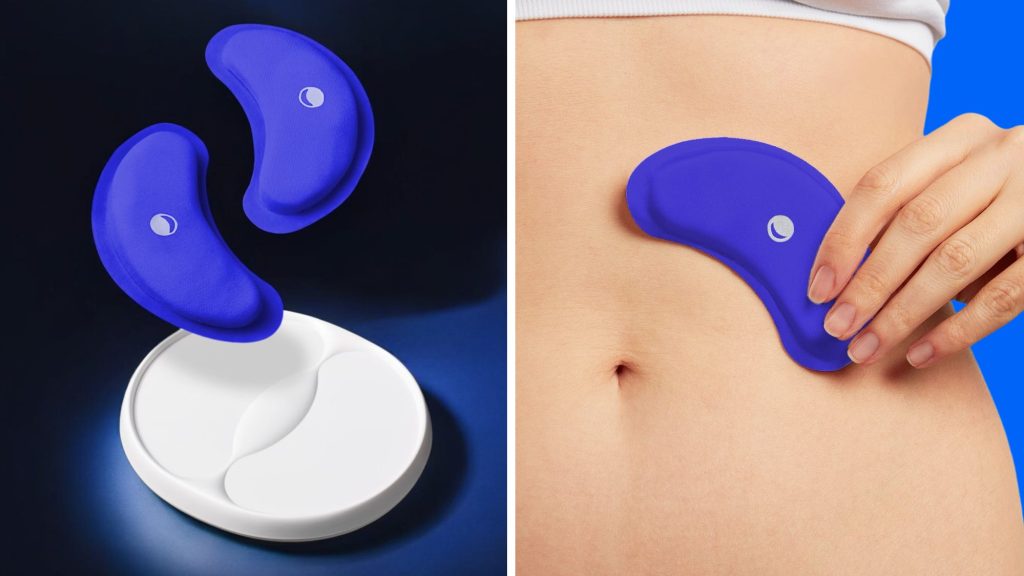
At-home sleep tests are designed to simplify the diagnosis process by eliminating the need for lab appointments. Sleeplay’s Home Sleep Test, for example, involves a test kit shipped directly to your door. You wear the device overnight in your own bed, and your sleep data is automatically recorded. This data is then reviewed by licensed sleep professionals who provide a diagnostic report and, if necessary, a prescription for treatment.
The technology used in these tests is FDA-cleared and involves small wearable sensors that track breathing patterns, oxygen levels, heart rate, and respiratory effort. These are the same types of signals doctors use to evaluate sleep-disordered breathing, ensuring that the insights are clinically useful.
Streamlined Diagnosis and Treatment
If diagnosed with sleep apnea through an at-home test, patients can seamlessly transition into treatment. This includes obtaining a CPAP prescription and shopping for necessary equipment like machines and masks. The entire process is designed to reduce friction and make treatment more accessible.
At-home tests like the Wesper device used by Sleeplay are effective for identifying obstructive sleep apnea, capturing key breathing and oxygen signals used in clinical evaluations. Most tests deliver results within a few days after review by a specialist, allowing for a quick turnaround from diagnosis to treatment.
Conclusion
For those who suspect they may have sleep apnea but have been deterred by the traditional testing process, at-home sleep tests offer a viable and affordable alternative. With current discounts available, now might be an ideal time to explore this option.
Original reporting: Las Cruces Sun News (HLL/CB) — read the source article.