Aspen, Colorado – While the town is famed for five‑star hotels, high‑end boutiques and world‑class skiing, a vibrant creative community continues to shape its identity. Long‑time resident DJ Watkins, author, curator and gallerist, says Aspen’s “freaks” – people who reject cookie‑cutter suburban life – are still very much present.
Local galleries keep the legacy alive
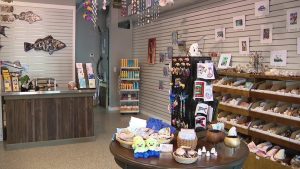
From the Aspen Collective gallery housed behind the historic 19th‑century Wheeler Opera House, Watkins showcases works that echo the town’s countercultural past alongside contemporary pieces from artists across the Roaring Fork Valley. He also runs Fat City Gallery, a nod to Hunter S. Thompson’s proposed nickname for Aspen when he ran for sheriff in 1970, and helps coordinate the Aspen Art Walk, linking galleries throughout the city.
Community‑focused arts venues
Beyond private galleries, several community‑run spaces nurture local talent. Buckhorn Public Arts converted a former commercial building into artist studios adjacent to Eddy’s, a locally‑friendly restaurant and market. The city‑operated Red Brick Center for the Arts offers classes and studio space, while the Paul JAS Center and Wheeler Opera House present world‑class performances at affordable prices. Events such as the Aspen Design Conference further demonstrate a new generation’s commitment to shaping the town’s cultural landscape.
Balancing luxury and local roots
Although Aspen’s median single‑family home value now exceeds $13 million and winter hotel rates can top $1,000 per night, longtime residents like Tim Mooney recall a time when newcomers arrived with modest means, willing to share rooms and take odd jobs for the love of the mountains. Mooney, who moved to Aspen in 1970, still lives in a downtown log cabin he rented for $75 a month and jokes that the Aspen Mountain gondola serves as his office.
Mooney’s stories of historic hangouts – from the J‑Bar inside the Hotel Jerome to celebrity visits by Jack Nicholson, John Wayne and Gary Cooper – illustrate the town’s eclectic mix of artists, athletes and adventurers. He notes that today’s visitors often seek visibility, contrasting with earlier guests who preferred to blend in with locals.
Preserving everyday culture
Despite the influx of luxury brands, Aspen retains grassroots institutions. The volunteer‑run Aspen Thrift Shop offers discounted goods, and local eateries like the Grateful Deli wrap neighborhood sandwiches in tie‑dye Grateful Dead iconography. Unconventional sights such as the “pickle car” – a vintage Volkswagen Beetle once used by a local sandwich shop – sit alongside high‑end Ferraris, reminding residents of the town’s quirky heritage.
Architectural oddities also persist. The Magic Mushroom House, begun in 1973 by Andre Ulrych and inspired by psychedelic mushrooms, stands as a six‑thousand‑square‑foot testament to creative freedom, with its curving walls and mismatched windows.
Looking ahead
As Aspen continues to attract both affluent visitors and artists seeking a supportive environment, community leaders like Watkins and historian Anna Lookabill emphasize the importance of nurturing local culture alongside economic growth. Their hope is that Aspen’s “spiritual vibe” and tradition of living on the fringes will endure for future generations.
Original reporting: KTVZ (Central Oregon) — read the source article.