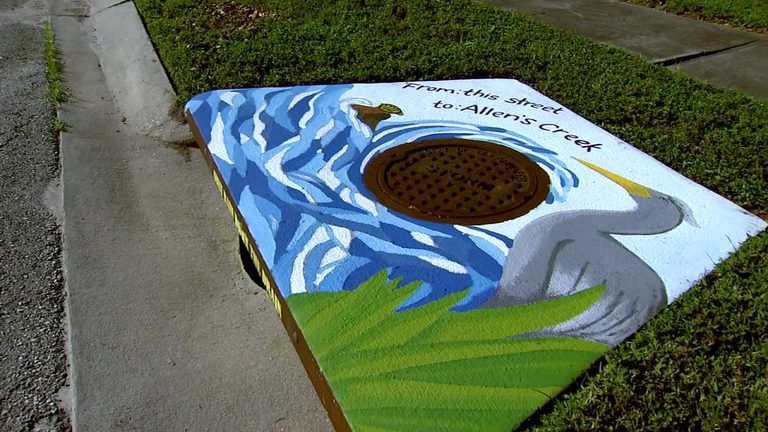
On Thursday, Oct. 1, volunteers and more than 20 local artists gathered in Sulphur Springs to transform ordinary storm drains into eye‑catching murals. The effort, organized by the nonprofit Keep Tampa Bay Beautiful, aims to educate residents about how everyday litter can travel from neighborhood streets straight into the Hillsborough River and ultimately Tampa Bay.
Why storm drains matter
Storm drains move rainwater off streets to prevent flooding, but they also carry trash, motor oil, fertilizers and pesticides directly into nearby bays and rivers. According to the Sulphur Springs Neighborhood Action Plan, 64% of surveyed residents identified environmental damage – including litter and illegal dumping – as a top neighborhood priority.
Art as a public‑service tool
“Storm drains are a direct connection between our neighborhoods and our waterways,” said Kristina Moreta, executive director of Keep Tampa Bay Beautiful. “By bringing art into these spaces, we hope to capture people’s attention and encourage them to think twice about what they put on the ground or down a storm drain.” Moreta added that the murals provide a creative visual reminder that small daily choices impact local water quality.
Project details and impact
The Thursday project painted 25 storm drains between 7 a.m. and 3 p.m. Volunteers from the organization’s FY 2025 programs numbered 24,026, and those volunteers removed 372,486 pounds of litter from Hillsborough County during the same fiscal year. Keep Tampa Bay Beautiful also installed 700 storm‑drain markers in other Tampa neighborhoods to reinforce the message that storm drains flow directly into local waterways.
Looking ahead
Artists are expected to finish the murals throughout Sulphur Springs and surrounding neighborhoods by the end of the day. Organizers hope the artwork will remain a permanent reminder for residents to think twice before littering, helping to keep trash and pollutants out of Tampa Bay for years to come.
Community involvement
The initiative reflects the nonprofit’s broader strategy of combining hands‑on clean‑up events with educational outreach. By turning functional infrastructure into public art, the project underscores the power of community stewardship in protecting Florida’s treasured waterways.
Original reporting: Tampa Bay Florida News (HLL/CB) — read the source article.