Little Rock, Ark. – In a move aimed at protecting Arkansas households from upfront utility fees, Sen. Clint Penzo (R‑Springdale) filed Senate Bill 2 this week. The bill would repeal the Generating Arkansas Jobs Act, the statute that currently permits utilities to recover financing costs for large power projects from ratepayers while the projects are still under construction.
What the bill would change
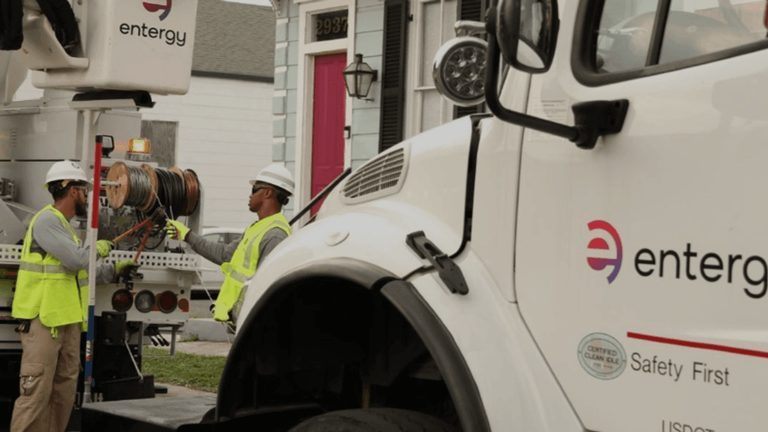
The Generating Arkansas Jobs Act allows utilities such as Entergy to add a rider to residential bills to cover the cost of building new generation facilities. Entergy estimates the rider would add about $5.77 per month to a typical household using 1,000 kilowatt‑hours. The rider is intended to fund three major projects: the Jefferson and Ironwood power stations and the Cypress solar‑and‑battery installation, with Ironwood and Cypress slated to begin operating in 2028 and Jefferson in 2029.
Legislators’ arguments
Penzo told lawmakers that the current process is “overburdensome” and should be streamlined so large companies can finance their own generation without passing construction costs to customers. He added, “I’d like to see this repealed and that one passed. That would be my choice.”
Sen. Jimmy Hickey Jr. (R‑Texarkana), a co‑sponsor of the repeal, warned that keeping the charge on bills could create a perception that the Legislature has fixed the problem when, in reality, consumers would still see higher costs. “Everybody in the world is going to be showing their bill and saying, ‘I thought the Legislature fixed this,’ and we’re still getting these increased costs on there,” Hickey said.
Alternative financing ideas
Steve Criss, director of utility partnerships for Walmart, suggested a different approach: let large customers’ payments go toward project costs first, using the rider only as a backup mechanism. He described the rider as “a backup and balancing mechanism, not the primary funding source for those projects.”
What remains unanswered
While SB 2 would end the construction‑period financing model, the bill does not outline a replacement method or detail how costs for projects already approved would be handled. No hearing has been scheduled, and the bill currently does not affect customers’ bills.
The debate highlights a broader question for Arkansas lawmakers: how to fund new power infrastructure without placing the financial burden on ratepayers before the facilities are operational. As the state moves toward a mix of traditional generation and renewable energy, the outcome of this legislation could shape the financing landscape for future projects.
Next steps
The bill has been filed and will await committee assignment. Stakeholders, including utility companies, large industrial customers, and consumer advocates, are expected to weigh in as the Legislature considers the proposal.
Original reporting: KATV Little Rock (local) — read the source article.