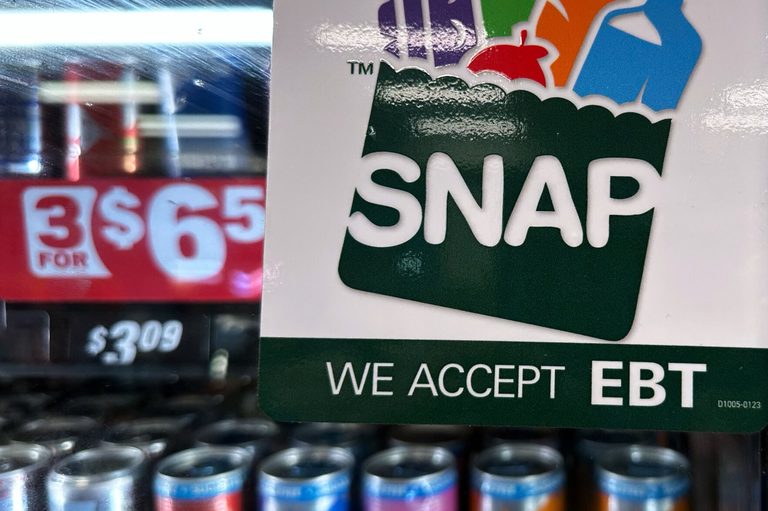
Arizona is experiencing the sharpest decline in the nation’s Supplemental Nutrition Assistance Program (SNAP) enrollment, with participation falling more than 50% between April 2025 and April 2026. The state’s Department of Economic Security attributes the drop to the implementation of new federal work‑requirement rules enacted under President Donald Trump’s recent welfare‑reform legislation.
New requirements create administrative hurdles
The federal overhaul expands work, volunteer or school‑attendance obligations to adults ages 55‑64 and to parents of teenagers ages 14‑17, while maintaining exemptions for seniors, young children, and those with health limitations. States must now verify that recipients meet these criteria, and Arizona officials say the added verification steps have generated “unprecedented call volumes and administrative hurdles.”
Brett Bezio, a spokesman for the Arizona Department of Economic Security, explained that the agency is hiring additional staff and adding online document‑submission options to stem the decline, but the transition remains challenging for many families.
Impact on families
Local residents are feeling the strain. LaDiamond Lopez, a Phoenix mother of two, lost her benefits in January after officials requested further income documentation. She reports skipping meals and delaying bill payments to keep her children fed while she works to re‑establish eligibility.
Advocates note that beyond the paperwork, some eligible households may miss deadlines or lack the necessary documents, leading to unintended loss of benefits. Tia Fields of Invest in Louisiana said the primary cause appears to be “administrative paperwork,” not failure to meet work requirements.
Policy supporters cite earnings gains
Proponents of the reform argue the decline reflects more people earning enough to qualify out of the program. Rachel Sheffield, a research fellow at the Heritage Foundation, said, “If there are people that are leaving the welfare rolls because they’re working and they’re moving forward, that would be a step forward.”
Nevertheless, the rapid pace of the drop exceeds the Congressional Budget Office’s projection, which had expected a gradual decline to fall below 34 million participants by 2036. The latest figures show enrollment at 36.6 million in May 2026, already near the level the CBO forecast for 2030.
State‑level cost‑sharing looming
Starting in October 2027, states will be required to share a portion of SNAP costs if error rates exceed 6%. Critics warn that some states might deny benefits outright to avoid penalties, further reducing access for needy families.
Food‑bank leaders, such as Carolyn Vega of Share Our Strength, caution that private donations cannot fully replace the scale of SNAP. “No other organization or program can replicate the scale and success of SNAP,” she said.
National context
Arizona’s 55% decline is the most severe, but other states also report sizable drops: Georgia, Louisiana, Nevada each saw declines over 20%, while Florida reported a 22% decrease, partly attributed to legal‑status concerns among immigrants.
The trend underscores the broader impact of the Trump‑backed “one big beautiful bill,” which cut taxes and overhauled welfare programs, including the expanded work‑requirement provision now in effect across most of the country.
Original reporting: KTBS 3 (Shreveport) — read the source article.