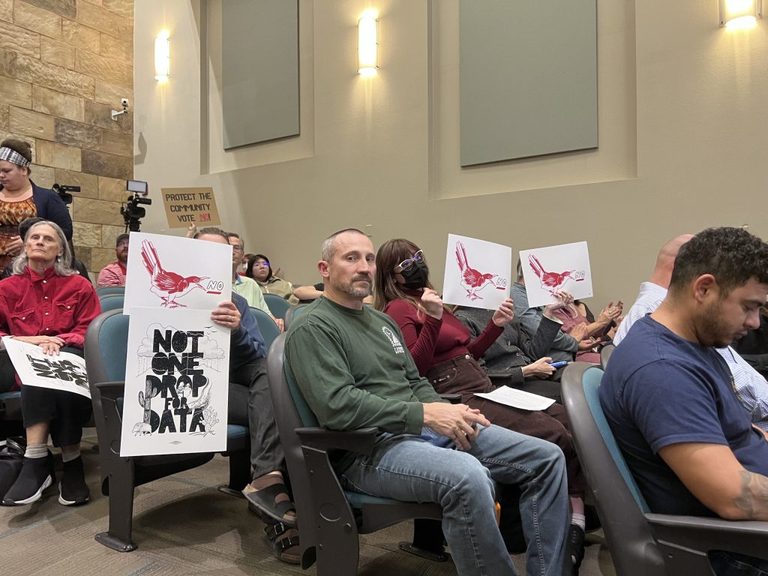
Arizona Governor Katie Hobbs recently vetoed a bill that would have significantly reduced the power of citizen initiatives statewide. The bill, HB 2873, was passed by the state legislature in late April and would have allowed referendum petitions brought forth by Arizona citizens to be withdrawn before they are put to a vote.
Background
The Arizona Secretary of State defines referendums as the “method by which voters may veto a law (or part of a law) by gathering signatures from registered voters to place the issue on the ballot.” The bill was first introduced in the Arizona House of Representatives in January 2026 and after passing both chambers, the bill made its way to Hobbs’ desk in June for her rejection.
According to Natali Fierros, executive director of Rural Arizona Action (RAZA), the organization assumed that Hobbs would most likely sign the bill. However, pressure from the public and advocacy organizations may have pushed her to veto. Fierros stated, “The referendum process is empowering the people of Arizona and it’s been pivotal to our history. It’s a way for the public to really make their voice heard. Interfering with that referendum process, to us, is an attack on direct democracy.”
Local Impact
The fight against HB 2873 began with Marana residents organizing, collecting signatures, and challenging data centers being proposed in their backyards. At a Marana Planning Commission meeting in December 2025, activists and residents booed the unanimous vote to rezone land for data centers. Fierros also mentioned the environmental concerns associated with data centers and how they might affect the overall appeal of living in Arizona.
Pressure from lobbyists helped pass HB 2873. Fierros expressed concern that citizens come out on the losing end when lobbyists for developers or corporations can influence elected officials. The upcoming midterm elections are expected to impact Arizona politicians seeking reelection.
Original reporting: Arizona Luminaria — read the source article.