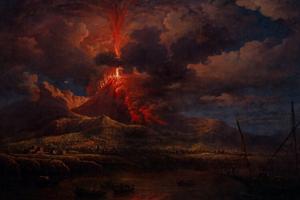
On August 24, A.D. 79, Mount Vesuvius erupted, devastating the cities of Pompeii and Herculaneum. While popular culture often depicts this event as an apocalyptic end for these cities, recent archaeological findings suggest a different narrative. The focus has shifted to the survivors who escaped and rebuilt their lives in nearby communities.
Survivors’ New Beginnings
Pompeii and Herculaneum were affluent cities, with populations of 30,000 and 5,000 respectively. Despite the catastrophic eruption, evidence suggests many residents fled in time. Missing carts, horses, and valuables indicate that numerous individuals escaped before the cities were buried.
Archaeologist Steven L. Tuck has developed a methodology to trace these survivors. By examining Roman inscriptions and unique names from Pompeii and Herculaneum, Tuck identified over 200 survivors who resettled in 12 cities, primarily north of Mount Vesuvius.
Thriving in New Communities
Some families prospered in their new homes. The Caltilius family, for instance, resettled in Ostia, a major port city, where they established a temple to the Egyptian deity Serapis. The family married into another group of survivors, forming a successful extended family.
Similarly, Aulus Umbricius, a merchant of garum, relocated to Puteoli, reviving his business and naming his first child born there Puteolanus, reflecting their new identity.
Challenges and Generosity
Not all survivors found success. Some, like Fabia Secundina, faced hardships. After marrying a gladiator in Puteoli, she was left in financial distress following his early death. Other families, such as the Avianii, Atilii, and Masuri, settled in the poorer community of Nuceria.
Despite their struggles, these migrants demonstrated remarkable generosity. The Masuri family took in a foster child, Avianius Felicio, a rare occurrence in Roman Pompeii. This act of kindness exemplifies the supportive networks among survivors.
Lessons for Today
The Roman government’s response to the disaster offers insights for modern recovery efforts. Emperors invested in rebuilding infrastructure and supporting displaced populations, ensuring they were integrated into new communities without discrimination. This historical model of recovery emphasizes the importance of community support and government investment in post-disaster scenarios.
Original reporting: KTBS 3 (Shreveport) — read the source article.