Amin Nasser, CEO of Saudi Aramco, warns that disruptions around the Strait of Hormuz tied to the Iran war have cut global oil supply dramatically, forcing big detours and emergency measures. The company is relying on its East-West pipeline and the Yanbu terminal while the world feels the fallout in inventories and prices. This piece follows how lost barrels, pipeline capacity, export adjustments, and years of underinvestment combine to shape the near-term outlook for energy markets.
Amin Nasser told investors the market shock from the conflict is staggering in scale and duration, and that recovery will not be quick while tanker traffic remains crippled. He put the cumulative loss to the market at about 1 billion barrels of supply during the crisis and linked the shortage directly to the closure of the Strait of Hormuz. The shortfall forced buyers and sellers to scramble for alternatives and pushed companies to tap strategic reserves and reroute deliveries.
“The energy supply shock that began in the first quarter is the largest the world has ever experienced,” Nasser said, laying out the gravity of the disruption. He warned that as long as the Strait of Hormuz stays largely closed, the world is losing roughly 100 million barrels of oil supply per week. That figure is meant to convey the speed and scale with which a chokepoint can translate into global shortages.
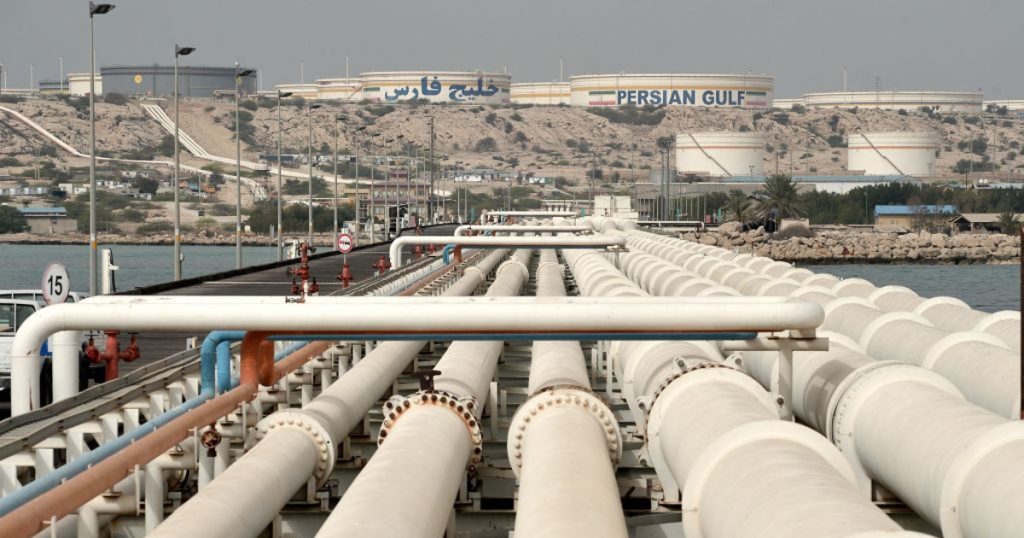
Rerouting has been the immediate workaround, with Saudi Aramco pushing flows through its East-West pipeline that cuts across the Arabian Peninsula to the Red Sea. The pipeline was already in place, but now it has reached its maximum capacity of 7 million barrels per day and is operating as a pressure valve for customers cut off from Gulf tanker routes. Of that capacity, about 2 million barrels per day are consumed by refineries on the western coast of Saudi Arabia while the remaining 5 million are earmarked for exports.
Even with the pipeline at full stretch, Nasser stressed that reopening traditional shipping lanes does not instantly heal an inventory gap. “Reopening routes is not the same as normalizing a market that has been deprived of about 1 billion barrels of oil,” he said, pointing out that the physical act of moving oil is only part of correcting a global shortage. Refineries, trading desks, and storage systems all take time to rebalance, and margins can stay volatile while that process plays out.
Years of underinvestment in production and maintenance compounded the problem, according to the Aramco chief, setting up a brittle system before the crisis even began. That lack of spare capacity meant the industry had fewer options when a major transit corridor shut down, intensifying the shock. The result is a market where a handful of strategic decisions by producers and state actors now carry outsized influence on supply and price.
“Recent events have clearly demonstrated the vital contribution of oil and gas to energy security and the global economy and are a stark reminder that reliable energy supply is critical,” Nasser added, emphasizing national and commercial vulnerabilities. Countries and companies are now evaluating how to shore up resilience, from bumping up storage to reassessing routes and terminal capacities. Aramco is already weighing further expansion at Yanbu, the Red Sea terminal that receives oil from the East-West pipeline, to boost export throughput when and if conditions require it.
Saudi Arabia also took a step toward demand management by cutting production roughly 2 million barrels per day after Iran’s threats effectively closed the Strait of Hormuz. That move was intended to stabilize prices and manage global inventories while the shipping picture remained uncertain. At the same time, strategic petroleum reserve releases and alternative logistics softened immediate pain, but they did not erase the underlying gap caused by lost barrels.
The economic ripple effects are real: energy prices spike, consumer bills climb, and fiscal balances in energy-importing countries get squeezed. For oil exporters the calculus is different, but even they face operational stress when chokepoints force detours and capacity upgrades. Markets will watch how quickly refinery runs, storage replenishment, and new export options restore equilibrium, but the timeline that Aramco outlined suggests a slow, uneven path ahead.