About 45 miles south of Tucson on Interstate 19, just before the highway signs start appearing in both miles and kilometers, the Santa Cruz River valley opens up into something quietly extraordinary. Tumacácori National Historical Park sits there like a secret the desert has been keeping for nearly three centuries — a crumbling Spanish Colonial mission church surrounded by cottonwoods, mesquite bosque, and an almost palpable sense of time.
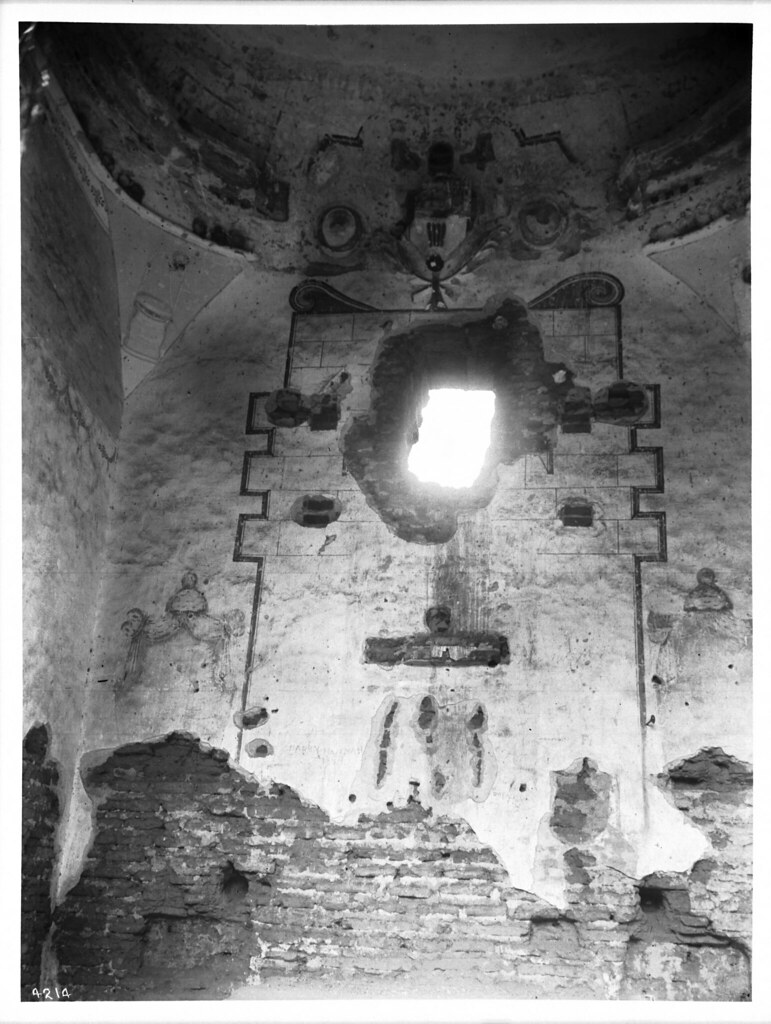
I drove down on a cool January morning, the Tumacácori Mountains throwing long blue shadows across the valley floor, and I’ll tell you — nothing quite prepares you for the moment the church comes into view. The adobe walls of Mission San José de Tumacácori rise nearly 50 feet, their ochre surfaces worn smooth by two centuries of rain and wind. The structure was never fully completed. Construction began in earnest around 1800 under Franciscan friars, but the Apache raids, political upheaval, and the eventual abandonment in 1848 left it frozen mid-sentence, like a letter that was never finished. That incompleteness is part of what makes it so haunting and so beautiful.
The park is genuinely small — you can walk the entire main loop in under an hour — but the experience punches well above its weight. The visitor center museum is thoughtfully curated, covering the O’odham people who lived in this valley long before the Spanish arrived, the complex relationships between indigenous communities and the mission system, and the material culture of colonial-era Sonoran life. The exhibits don’t shy away from nuance, which I deeply respect. This is not a sanitized version of history.
Out on the grounds, a self-guided trail winds past the mortuary chapel, the granary ruins, and a reconstructed lime kiln. Interpretive signs are well-written and genuinely informative without being overwhelming. The garden area near the back of the compound is planted with heritage fruit trees and traditional crops, a quiet nod to what daily life once looked like here. Bring a good camera — the play of light on those adobe walls changes by the hour, and the sky above southern Arizona has a depth of blue that photographers lose their minds over.
If your timing is right, the park hosts living history demonstrations on winter weekends, where rangers and volunteers demonstrate traditional crafts like pottery, weaving, and adobe brick-making. The annual Tumacácori Fiesta, typically held in early December, brings together Native American and Hispanic artisans from across the region for a weekend of food, music, and craft that feels genuinely rooted rather than performative.
Admission is modest — just a few dollars per adult, and your America the Beautiful pass gets you in free — and the park is open daily except Thanksgiving and Christmas. Pair the visit with a stop at one of the farm stands along Tumacácori Highway on your way back north, and you have the makings of a near-perfect southern Arizona day.
Tucson gets a lot of well-deserved attention for its food scene, its mountain trails, and its dark skies. But this stretch of the Santa Cruz valley, anchored by those quiet, enduring mission walls, reminds you that the region’s story is long, layered, and genuinely worth sitting with for an afternoon.