Ötzi the Iceman, a well-preserved mummy discovered in the Ötztal Alps, continues to reveal secrets about ancient life. Recent research has shown that some of the microbes found in and on his body have survived for over 5,300 years, providing a unique glimpse into the microbial ecosystems of the past.
Microbial Longevity and Preservation
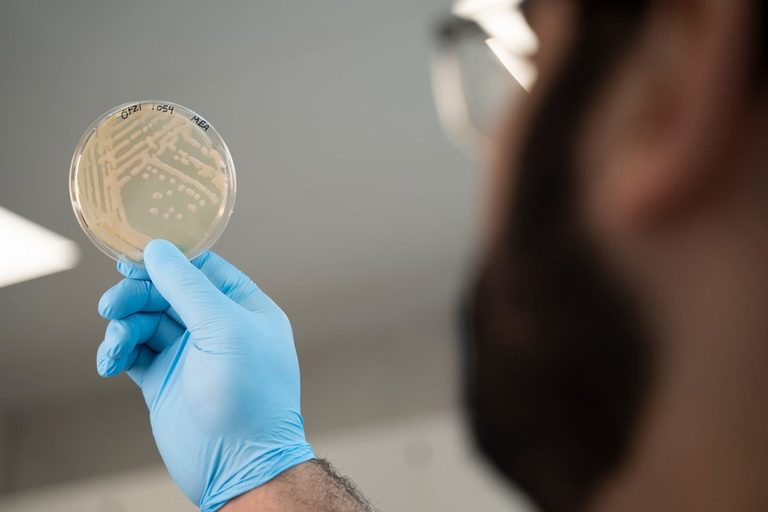
Scientists conducted a comprehensive DNA analysis of the microbes associated with Ötzi, identifying several species of fungi and bacteria. These microbes, some of which have remained dormant but viable, offer insights into the conditions of the Copper Age. The fungi’s natural resistance to cold allowed them to survive and potentially multiply in micropockets of moisture within the mummy.
Frank Maixner, head of the Institute for Mummy Studies at Eurac Research in Italy, emphasized the importance of these findings. “We identified ancient gut bacteria preserved inside Ötzi that are extremely rare today,” Maixner noted, highlighting the contrast between ancient and modern microbiomes.
Challenges in Preservation
While Ötzi’s discovery in 1991 has led to numerous scientific breakthroughs, preserving the mummy poses challenges. The South Tyrol Museum of Archaeology in Bolzano stores Ötzi at freezing temperatures to mimic the glacier conditions where he was found. However, some microbes, like the yeast Glaciozyma, have shown the ability to replicate even in these conditions, raising concerns about potential damage to the mummy.
Researchers also noted that modern handling has introduced new bacteria to Ötzi’s remains, complicating the understanding of his original microbial makeup. The study’s findings underscore the need for careful preservation techniques to prevent further contamination.
Future Research Directions
The study of Ötzi’s microbes opens doors for future research into ancient human and animal remains. By understanding how microbial communities change over time, scientists hope to gain deeper insights into the conditions at the time of death and the environmental factors that influenced these ancient ecosystems.
As researchers continue to explore Ötzi’s microbial world, they aim to apply similar methods to other ancient specimens, potentially unlocking new chapters in the history of human health and disease.
Original reporting: KRDO (Colorado Springs metro) — read the source article.