Archaeologists from the University of La Laguna in Spain have published a detailed study of a tomb chamber in the Theban Necropolis, opposite Luxor, that was used from the 25th Dynasty (754‑656 B.C.) through the Ptolemaic period (305‑30 B.C.). The analysis, based on more than 400 tombs, shows how burial practices evolved as space became limited.
Findings from the chamber
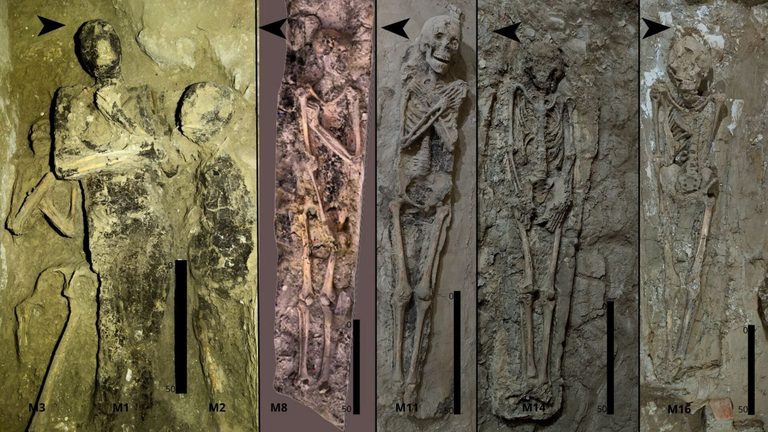
The team uncovered 16 mummified human individuals, a mummified dog, and a disturbed deposit containing at least four additional bodies. Early burials were separated, placed in coffins, and accompanied by costly funerary items such as Phoenician amphorae, indicating high social standing.
During the later 25th Dynasty and the Persian period (about 680‑404 B.C.), the pattern shifted. Bodies were inserted into any remaining space, sometimes with arms folded rather than extended. In the Ptolemaic period, a vertical superposition of bodies became common, with two‑thirds of the interments stacked atop one another.
Vertical stacking and animal companions
In the southeastern section of the chamber, four human mummies and a dog were buried one on top of another. These vertically stacked bodies lacked coffins but were carefully mummified and associated with upright jars, suggesting a distinct ritual not seen in earlier phases.
Researchers interpret the presence of the dog as a possible psychopomp—a symbolic guide for the afterlife—reflecting a change in religious practice. The arrangement also shows a consistent spatial logic, contradicting earlier assumptions that later burials were chaotic.
Implications for understanding ancient funerary customs
Lead author Jared Carballo‑Pérez notes that the findings challenge the view of “disordered” later deposits, instead highlighting a repeated reactivation of the tomb space that respected earlier burials while adapting to new needs. Senior author Miguel Ángel Molinero Polo adds that the study provides insight into how ancient Egyptians balanced reverence for ancestors with practical concerns of limited burial space.
The research, published in Frontiers in Environmental Archaeology, underscores the sophistication of ancient Egyptian funerary planning and offers a richer picture of how social status, religious belief, and practical constraints intersected over centuries.
Original reporting: KTBS 3 (Shreveport) — read the source article.