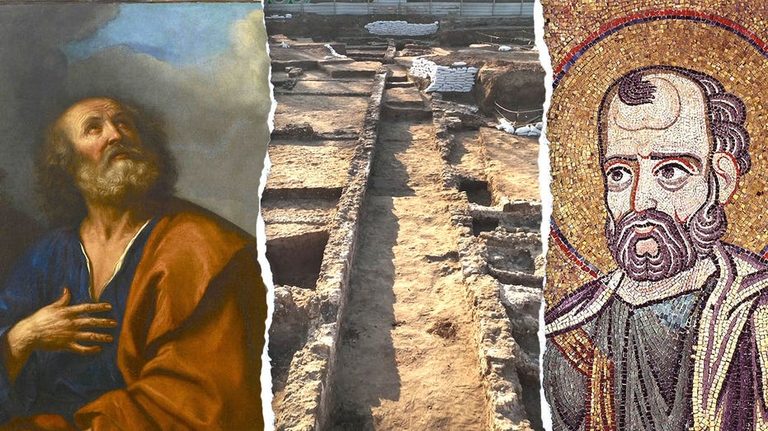
Archaeologists working for the Israel Antiquities Authority announced the discovery of a massive 1,300‑year‑old industrial and commercial complex in Ramat Gan, a suburb of Tel Aviv. The site was uncovered during preparatory work for a new bus terminal and lies along a historic thoroughfare that once connected Jaffa, Ramla and Jerusalem.
What the excavation revealed
The dig exposed a carefully planned layout of straight, intersecting streets lined with rooms that served as shops, warehouses, plastered industrial facilities, and pottery kilns. Directors Yoav Arbel and Lior Rauchberger said the complex appears to have been engineered by regional authorities, suggesting official sponsorship or funding.
Among the artifacts recovered were bronze tableware, cosmetic implements, iron pick‑axe heads, a sickle, dozens of nails, a large quantity of local and imported pottery and glass vessels, and several coins. These finds provide a vivid snapshot of the period’s culture, trade and economy.
Historical context
The complex dates to the 7th‑8th centuries A.D., spanning the Umayyad and early Abbasid periods when the region was home to diverse Muslim, Christian, Jewish and Samaritan communities. While archaeologists cannot yet determine which group operated the site, its location near the ancient port city of Jaffa (known in biblical texts for the stories of Jonah and St. Peter) underscores the area’s long‑standing commercial significance.
According to the IAA, the complex functioned for roughly 150 years before being abandoned under unknown circumstances. It was later resettled in the 10th century with new residential buildings and production facilities, including dozens of clay‑baking ovens (tabuns). The site was abandoned again in the late 11th century, shortly before the Crusader arrival, and has remained uninhabited since.
Broader archaeological activity
This discovery joins several recent Israeli finds, including two 1,700‑year‑old marble statues near Binyamina and an ancient tunnel in Jerusalem linked to the biblical Kingdom of Judah. Together, these excavations highlight the rich, multilayered history of the Holy Land and its enduring relevance to both scholars and the public.
Original reporting: Fox News (HLL/CB) — read the source article.