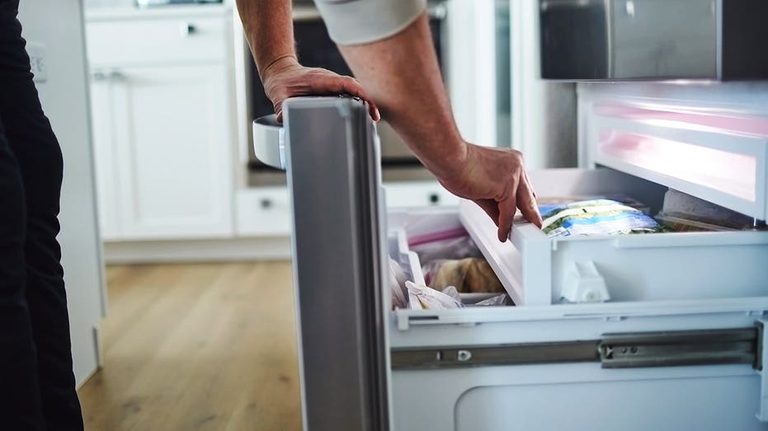
While a freezer is a handy tool for extending the shelf life of many items, not every kitchen staple benefits from being frozen. Chef Dennis Littley, a New Jersey‑based culinary educator and founder of Ask Chef Dennis, shared with Fox News Digital that freezing can create ice crystals that alter a food’s texture, leading to a less enjoyable eating experience.
Cheese: Keep It Chilled, Not Frozen
Most cheeses can technically survive a freeze, but softer and creamier varieties often become crumbly or grainy after thawing. Littley advises storing cheese well wrapped in the refrigerator and purchasing only the amount you plan to use while it’s still fresh.
Pasta: Choose Refrigeration for Creamy Sauces
Freezing cooked pasta can cause the noodles to soften and creamy sauces to separate. For dishes with rich, dairy‑based sauces, Littley recommends refrigerating leftovers and consuming them within a few days. Heartier baked pasta casseroles, however, tend to hold up better in the freezer.
Cured Meats: Preserve Texture in the Fridge
Prosciutto, salami, and other cured meats can be frozen, but the process may diminish their texture and flavor—especially when served on sandwiches or charcuterie boards where mouthfeel matters. Littley suggests keeping these meats wrapped in the refrigerator and using them within the recommended time after opening.
Wine: Never Freeze It
Freezing wine is a “no‑go,” according to Littley. The liquid expands as it freezes, risking damage to the bottle or cork, and it does nothing for the wine’s flavor and aroma. Opened bottles should be resealed and stored in the refrigerator, with red wine later brought back to serving temperature before enjoying.
By storing these four foods in the proper environment, home cooks can maintain the intended texture, flavor, and overall quality of their meals, ensuring that frozen convenience doesn’t come at the cost of taste.
Original reporting: Fox News (HLL/CB) — read the source article.