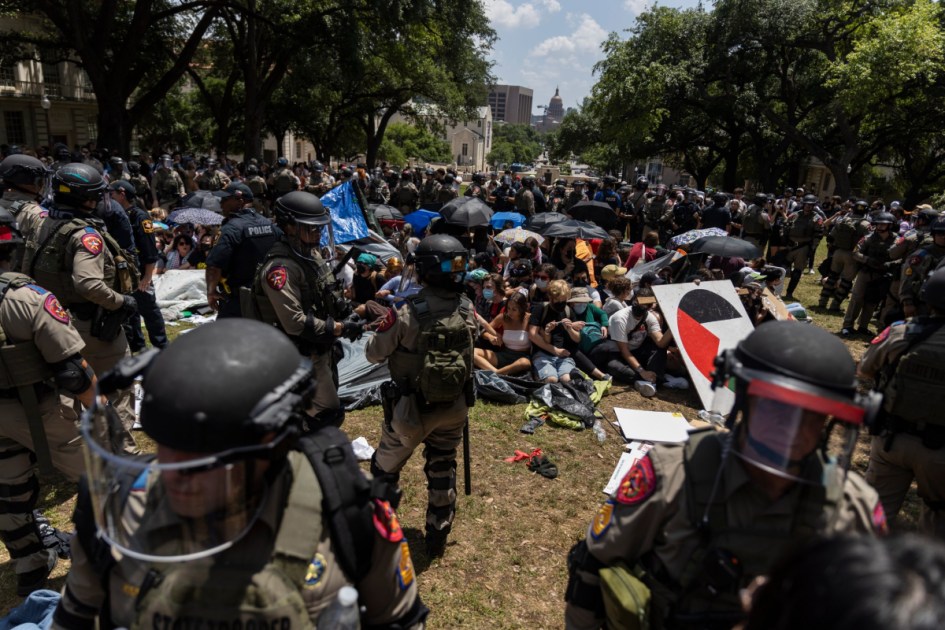
Student Ammer Qaddumi has filed a lawsuit against his university after being suspended for his role in the 2024 demonstrations, arguing the disciplinary action violated his free speech rights and due process protections at the school.
The case centers on campus demonstrations that took place in 2024 and the university’s decision to suspend Mr. Qaddumi for participating. He says the punishment was aimed at silencing students and set a dangerous precedent for political expression on campus. Those claims strike at a larger debate about how universities handle protest and dissent, especially when administrators respond with discipline rather than dialogue.
From a Republican perspective this is straightforward: public universities should be marketplaces of ideas, not silencing machines. When a student like Ammer Qaddumi says his rights were violated, the default answer should be to protect speech, not punish it. If administrators bypass basic fairness or use heavy-handed sanctions to manage controversies, they undermine trust and chill speech across campus.
The lawsuit will likely lean on First Amendment doctrine if the university receives public funding or operates as a state institution. Even at private colleges, there are expectations set by school policies and longstanding legal principles about academic freedom and campus debate. Legal experts will watch whether the complaint focuses on procedural flaws, the substantive protections for protest, or both.
Discipline following protests often raises two separate questions: what conduct occurred and whether the university followed its own rules in responding. Mr. Qaddumi’s filing suggests the school did not respect either side of that checklist. That matters because fair process is not optional. Students deserve clear standards and an opportunity to be heard before losing access to classes or campus life.
The political climate on campuses makes cases like this especially visible. Administrators say they must keep order and protect property, while students insist on their right to dissent. Both claims can be legitimate, but the line between maintaining safety and stifling speech is thin. Lawsuits like Qaddumi’s force a public reckoning about where that line should fall.
Practically, the university faces reputational risk and potential legal exposure. If the court finds the suspension lacked proper justification or that procedures were flawed, the institution could be ordered to reverse the disciplinary action and revise its policies. Even if the court ultimately sides with the school, the litigation can prompt policy changes and more careful handling of future protests.
For students and parents, the case is a reminder to pay attention to campus rules and how they are enforced. Know your rights and expect universities to follow the rules they publish. When disciplinary decisions affect education, the stakes are high and the consequences can ripple through a student’s academic and professional life.
The broader issue goes beyond one student. How universities respond to demonstrations shapes campus culture for years. If schools retreat from protecting controversial speech, they risk creating echo chambers where only certain views are safe. Conversely, if universities allow disruption without response, they risk undermining campus order and the rights of other students to learn.
Whatever the legal outcome, the Qaddumi case should push colleges to clarify policies and ensure fair procedures. Administrators need plans that protect safety while upholding speech. Students should be treated as participants in civic life, not as problems to be managed by the disciplinary office.
At the end of the day, this lawsuit is about more than one suspension. It is a test of how seriously universities take free expression and fair process when controversies flare. Ammer Qaddumi’s decision to sue forces the institution and the public to confront those questions in plain terms.