Across the United States, a cultural blend of relentless optimism, individualism and a desire for quick improvement fuels a long‑standing market for unproven health products. Historian Dr. Lydia Kang, author of *Quackery* and associate professor of internal medicine at the University of Nebraska Medical Center, says the driving force is simple: “People really don’t want to die.”
Historical examples of American gullibility
In 1897 a Baptist minister claimed his company could extract gold from the seawater off Lubec, Maine—an impossible promise that attracted eager investors. A decade later, Bailey Radium Laboratories in East Orange, New Jersey, marketed Radithor, a “cure for the living dead,” which turned out to be a radioactive tonic that poisoned its users.
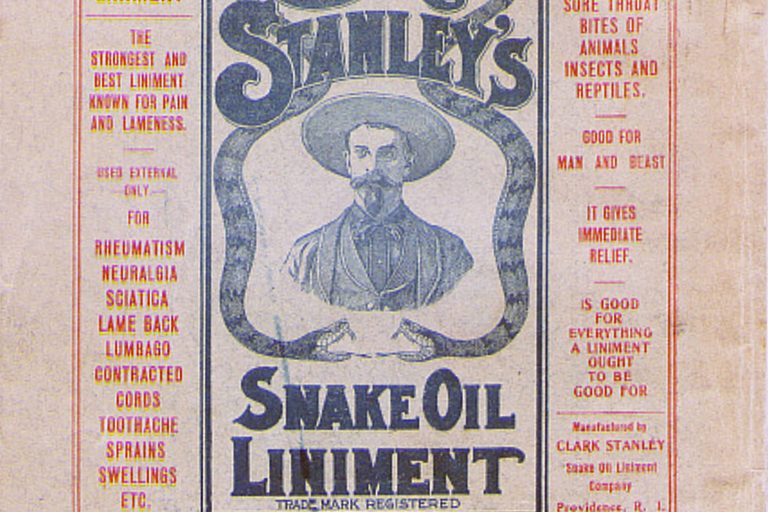
Other notorious scams include Clark Stanley’s “snake‑oil liniment,” touted as a cure for everything from rheumatism to paralysis, and Charles Ponzi’s 1920s promise of 50 % profit in 45 days through stamp coupons. Each episode illustrates how hope can eclipse common sense.
Why modern Americans still fall for the hype
Experts point to both sociological and evolutionary factors. Dr. Kang notes that the United States’ “lightly regulated capitalism” and “relentless optimism” amplify a willingness to gamble on the next miracle supplement, device, or regimen that promises youth, strength or wealth.
Neuroscientist Tali Sharot of University College London adds that beliefs are often chosen for the rewards they promise, not for their factual accuracy. “People can get a sense of community, support and belonging by believing what others in a group believe,” she explains. This dynamic helps explain why false claims—such as vaccines causing autism—persist despite overwhelming scientific refutation.
The modern marketplace of dubious treatments
Today, the industry has shifted toward sophisticated‑sounding products like peptide supplements and “longevity” drugs. While genuine medicines such as insulin, Wegovy and Zepbound are peptide‑based and have proven benefits, many companies now sell untested peptides claiming to boost muscle growth, speed recovery or reverse aging.
Similarly, the drug rapamycin, originally used to prevent organ‑transplant rejection, is being promoted to the public as a potential lifespan extender based on animal studies in yeast, flies and mice. The leap from laboratory findings to human health promises often lacks rigorous clinical trials, leaving consumers to gamble with their money and health.
The cost of belief and the role of regulation
Unproven treatments can waste hard‑earned dollars and sometimes cause harmful side effects. Yet, as Dr. Kang observes, “you gain something from trying,” whether it’s excitement, hope or a temporary mood lift. Regulators face a difficult balance: proving a product ineffective requires resources that may be scarce, while allowing potentially dangerous products to remain on the market risks public harm.
Historically, even well‑intentioned physicians have contributed to harmful practices. In 1793, Dr. Benjamin Rush, a signer of the Declaration of Independence, administered massive doses of calomel (mercury) and jalap (a potent laxative) during a yellow‑fever epidemic, believing the treatments would purge disease.
What readers can do
Consumers should approach bold health claims with a healthy dose of skepticism. Look for peer‑reviewed studies, FDA approval and transparent ingredient lists. When a product’s benefits rest on “hints” from animal research or small observational studies, treat the promise as speculative.
Understanding the psychological pull of hope can help individuals make wiser choices, protecting both their wallets and well‑being while still appreciating the genuine medical breakthroughs that have improved American life.
Original reporting: Alexandria, VA News – WTOP News — read the source article.