Across the United States, families gather around the dinner table and proudly claim a dish as uniquely theirs. A recent analysis by data‑research firm Spokeo examined online search trends, USDA consumption data, and state legislative records to identify each state’s most passionately defended food, whether or not it enjoys legal protection.
Legal versus cultural claims
The study distinguishes between foods that are officially designated by state law or protected by trademarks, and those that exist solely as cultural symbols. Only twenty states have a food that is legally enforceable—through a trademark, certification mark, or a specific marketing order. The remaining thirty‑one states rely on tradition and local pride alone.
Three standout rivalries
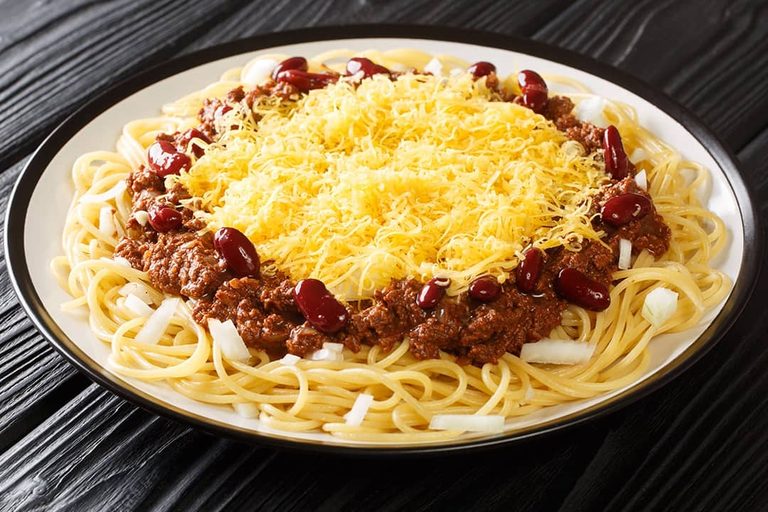
Cincinnati chili (Ohio) – This iconic meat‑spice sauce has no statutory backing. Its popularity stems from decades of competition among local restaurants, and even a recent internal rivalry at Fifth Third Bank after its merger with Comerica sparked a light‑hearted debate among employees about which version is superior.
Red vs. green chile (New Mexico) – New Mexico is the only state to embed a food debate in law. In 1996 the legislature adopted the question “Red or Green?” as an official state query, and a subsequent chili‑labeling law restricts which peppers may be marketed as New Mexico chile, giving the cultural preference legal teeth.
Old Bay vs. J.O. seasoning (Maryland) – While Old Bay holds the trademark for the well‑known crab seasoning, many local crab houses actually use J.O. No. 2, a smaller family‑run brand. The trademark protects the name, but the kitchen habit remains contested.
Other notable examples
Pennsylvania, despite the legendary rivalry between Pat’s and Geno’s cheesesteaks, has never codified a state food. Ohio, on the other hand, boasts an official state beverage—tomato juice—yet lacks any legal claim to its famed Cincinnati chili.
In states such as Mississippi, where farm‑raised catfish dominate production, no official dish ties directly to that industry. Conversely, New Mexico’s entire civic identity revolves around a single pepper, illustrating how cultural significance can outweigh economic output.
How the rankings were determined
Spokeo combined Google Trends data on specific food searches with USDA Economic Research Service figures on regional food spending. The results were cross‑checked against academic research on regional food identity and social‑media engagement. Legislative archives were reviewed for official designations, and the U.S. Patent and Trademark Office and USDA Agricultural Marketing Service were consulted for any enforceable trademarks or marketing orders.
What the findings mean for families and communities
The research underscores that legal recognition and cultural intensity often diverge. Residents may argue fiercely for a dish that has no statutory backing, reflecting the deep role food plays in family traditions and community identity. When a state does choose to legislate a food preference—as New Mexico did—the result is a clear, enforceable standard that other states have yet to emulate.
For everyday Americans, the takeaway is simple: whether a dish is protected by law or not, it remains a source of pride, conversation, and sometimes friendly rivalry at cookouts, county fairs, and family gatherings.
Original reporting: KRDO (Colorado Springs metro) — read the source article.