Six months have passed since the United States and Israel launched air strikes against Iran, igniting a conflict that continues to reverberate through global markets. While the fighting is far from home, its effects are felt in the price of gasoline at the pump, the performance of stock indexes, and the cost of food on family tables.
Energy costs stay elevated
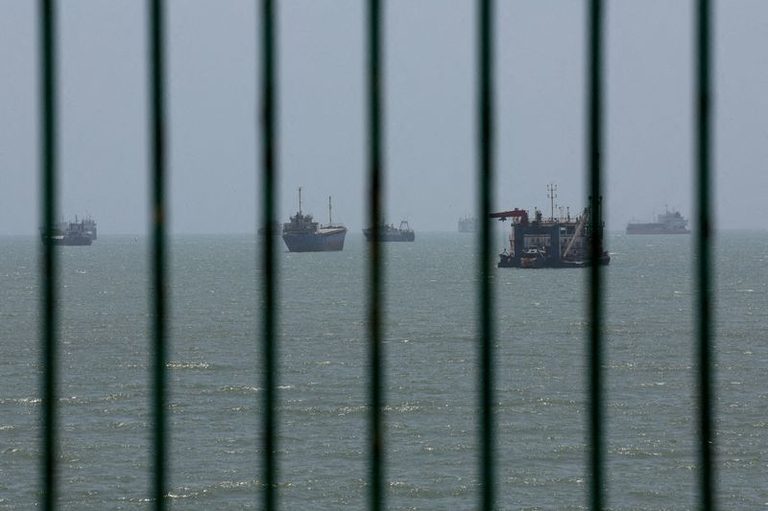
Disruptions to Gulf oil production and a slowdown in shipments through the Strait of Hormuz pushed Brent crude to briefly exceed $120 per barrel in April. Even after the peak, Brent is averaging around $90 this year, well above last year’s $70 level. The biggest price pressure is on refined fuels. Diesel has climbed sharply as middle‑distillate supplies tighten, Russian refinery outages persist, and Gulf export flows remain constrained. Jet fuel initially suffered, but a surge in U.S. refinery output and exports has helped ease the shortage.
With winter approaching in the northern hemisphere, any further interruption of Hormuz shipments or damage to Russia’s energy infrastructure could raise heating‑oil costs and add to overall inflationary pressure for households.
AI‑driven equity rally offsets war worries
Global equity markets have largely shrugged off the conflict, thanks in large part to massive capital flowing into artificial‑intelligence companies. MSCI’s 47‑country world‑stock index reached a record $105 trillion this month, up roughly 9 % since the war began. Analysts note that the rally reflects a “relaxed view” among investors who still expect the conflict to end within the year.
U.S. equities are up about 14 % for the year, outperforming a typical 8‑9 % gain in a normal market cycle, according to Fidelity analyst Pranav Aggarwal.
Traditional safe‑haven assets under pressure
Assets that usually attract investors in turbulent times—high‑grade government bonds, gold, and the U.S. dollar—have not behaved consistently as safe havens. The dollar is up 1.4 % against a basket of major currencies, a move largely driven by a weaker Japanese yen. U.S. Treasury total returns have fallen 3.5 % as higher inflation dampens expectations for rate cuts, and recent concerns about new Federal Reserve chair Kevin Warsh and surprise debt‑buyback plans have added uncertainty.
Gold, after soaring more than threefold since 2022, fell nearly 25 % from the start of the war to July, though it has rebounded over 15 % this month amid renewed worries about dollar debasement.
Food and fertilizer supply chains feel the strain
The closure of the Strait of Hormuz has also disrupted shipments of fertilizer, a critical input for global agriculture. Combined with a strong El Niño event and ongoing grain‑shipping challenges linked to the war in Ukraine, analysts warn of heightened risk to agricultural output.
Food prices hit a three‑year high in July, according to the United Nations Food and Agriculture Organization. Experts caution that the full impact has yet to be realized, especially in regions where families spend a larger share of income on food. JPMorgan estimates that a strong El Niño alone could lift global food inflation by about 0.7 % at its peak.
Gulf economies bear the brunt
Countries that rely heavily on energy exports have suffered sharp setbacks. Saudi Arabia’s oil exports fell 10 % between the first and second quarters of the year. Dubai’s property market is reported to have slumped 70‑80 %, while Qatar’s economy could contract nearly 30 % this year after damage to its Ras Laffan gas facility. Stock markets in Qatar and the United Arab Emirates have each dropped around 14 %, underperforming global indices by more than 20 percentage points.
Debt‑insurance costs for these nations have risen, with Bahrain—already heavily indebted—seeing credit‑default‑swap spreads climb almost 40 %.
While the conflict’s direct military outcomes remain uncertain, its economic ripple effects are already reshaping the financial landscape that families and businesses depend on. Monitoring energy supplies, inflation trends, and the health of global markets will be essential for policymakers and households alike as the war continues.
Original reporting: Appleton, WI News Feed (HLL/CB) — read the source article.