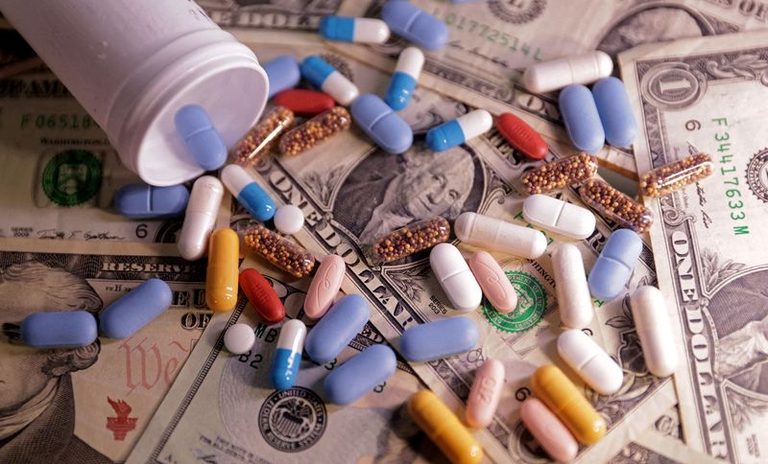
Americans are turning to subscription‑based prescription services as health‑insurance coverage becomes less reliable and out‑of‑pocket costs climb. Amazon.com’s RxPass, priced at $5 per month, and GoodRx’s Companion plan, at $14.99 per month, are seeing rapid growth by providing a predictable, low‑cost alternative for essential medicines.
Why subscription plans matter for families
Both services bundle access to a selection of generic medicines with additional health benefits. RxPass, available to Prime members, includes roughly 50 generic drugs, while GoodRx’s Companion plan offers more than 250 generics, plus discounts on telehealth visits, vision, dental and laboratory services. For families juggling multiple prescriptions, the flat‑fee model can simplify budgeting and reduce surprise expenses.
“If someone is on multiple drugs, this kind of subscription can make a lot of sense,” said Truist analyst Jailendra Singh. Analysts note that even insured consumers can save money by using these programs, especially as deductibles rise and formularies narrow.
Growth numbers and market response
Amazon’s vice president of pharmacy, John Love, highlighted that since launching RxPass in 2023, the program’s customer base has nearly tripled, with more than 70% of users filling three or more prescriptions each month. GoodRx reported a 39% jump in subscription revenue to $28.5 million in the second quarter, with overall subscription enrollment up 14% year‑over‑year.
Investors have responded positively: Amazon’s stock is up 7% this year, while GoodRx shares have risen 22%. Market observers such as Tom Hulick of Strategy Asset Managers suggest that Amazon could become a primary entry point for health care, noting, “Can Amazon become the front door to health care? 100%.”
Affordability versus traditional insurance
Health‑insurance premiums and out‑of‑pocket costs have surged, driven by higher prices for medical services and a wave of Americans dropping individual plans under the Affordable Care Act in 2026. Employers sponsoring private plans anticipate an 11% cost increase in 2027, according to benefits consultants.
White Manna Capital Partners’ chief investment officer William Soliman explained that many consumers are now in high‑deductible plans, forcing them to compare cash‑pay options with traditional coverage. “(Amazon’s) $5 monthly price is simple and predictable, which matters when consumers are navigating complicated coverage changes,” he said.
Competition and broader market landscape
Other players are entering the space. FreeRx charges $49.95 per month for virtual urgent‑care visits and access to over 1,000 generics. Mark Cuban’s Cost Plus Drugs offers generics at a 15% markup over acquisition cost, positioning itself as a lower‑cost alternative to typical co‑pays.
While subscription services cover only a fraction of the roughly 30,000 approved generic drugs in the United States, they provide a valuable safety net for essential medications, especially for mental‑health and cardiovascular treatments that many users seek.
Looking ahead
Analysts caution that RxPass revenue will remain modest relative to Amazon’s projected $828 billion total revenue for 2026. Rajiv Leventhal of EMarketer notes that the true value of the program lies in driving traffic to Amazon Pharmacy and strengthening Prime memberships, rather than generating direct profit.
As more families prioritize cost‑effective health solutions, subscription‑based prescription models are likely to expand, offering a market‑driven complement to traditional insurance and reinforcing consumer choice in the health‑care arena.
Original reporting: Appleton, WI News Feed (HLL/CB) — read the source article.