Recent poisonings in California involving Amanita mushrooms have prompted a warning from the US Centers for Disease Control and Prevention (CDC). The outbreak resulted in three liver transplants and four deaths, underscoring the dangers of foraging for wild mushrooms.
Understanding Amanita Mushrooms
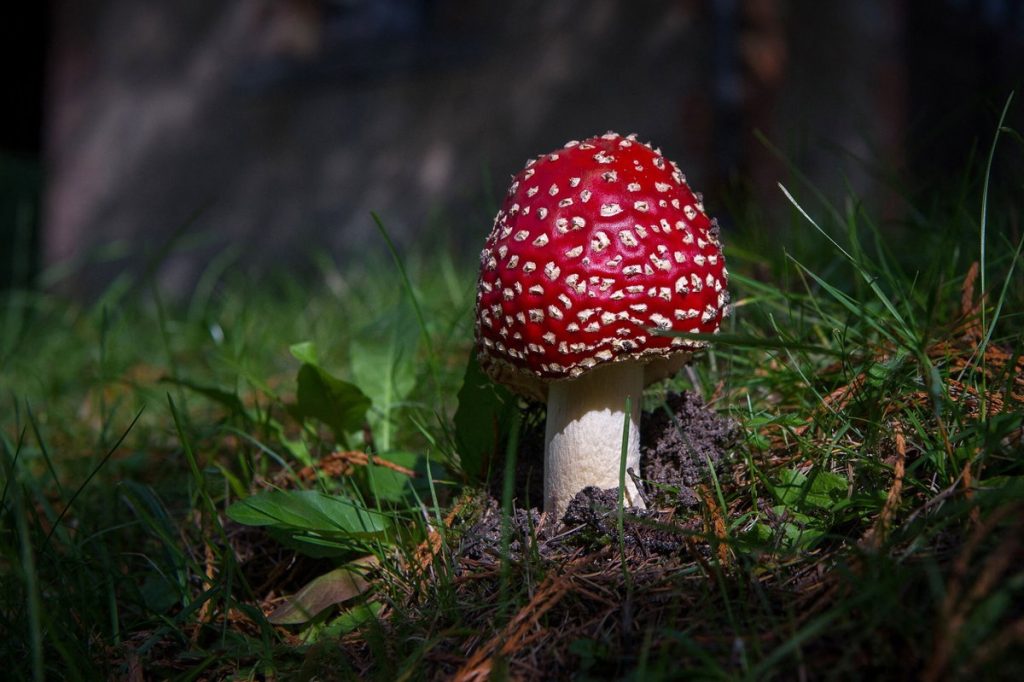
Amanita is a large genus of mushrooms, some of which are highly toxic. The CDC report focused on poisonings caused by Amanita phalloides, commonly known as the death cap mushroom, which can cause severe liver failure. Another species, Amanita ocreata, was also identified as a culprit.
While some Amanita mushrooms, like Amanita muscaria, are known for their psychoactive effects, they do not cause the same liver damage as death caps. However, they can lead to hallucinations and other neurological symptoms.
Rising Interest and Risks
Interest in mushrooms has grown, partly due to increased attention on psychedelics as potential treatments for mental health conditions. However, many consumers fail to distinguish between different types of mushrooms, leading to dangerous misconceptions.
According to a 2024 study, public curiosity about Amanita mushrooms is rising, with a significant increase in online searches. A RAND report estimated that 3.5 million Americans used Amanita muscaria products in 2025, despite these products being unapproved and unregulated.
Health Risks and Safety Concerns
The severity of mushroom poisoning depends on the species consumed. Death caps can cause severe gastrointestinal symptoms followed by liver and kidney failure. Amanita muscaria typically causes confusion and hallucinations, but serious complications are less common.
Experts warn that mushroom-derived products sold online may not be accurately labeled, posing further risks. Consumers are advised to avoid wild mushrooms unless identified by an expert and to be cautious with unregulated products.
Emergency Response
If someone consumes a toxic mushroom, they should seek medical attention immediately and contact Poison Control. Early intervention is crucial, as symptoms may not appear until significant organ damage has occurred.
The CDC emphasizes that mushroom poisonings are medical emergencies, and caution is advised when foraging or purchasing mushroom products.
Original reporting: KEYT (Ventura/Santa Barbara) — read the source article.