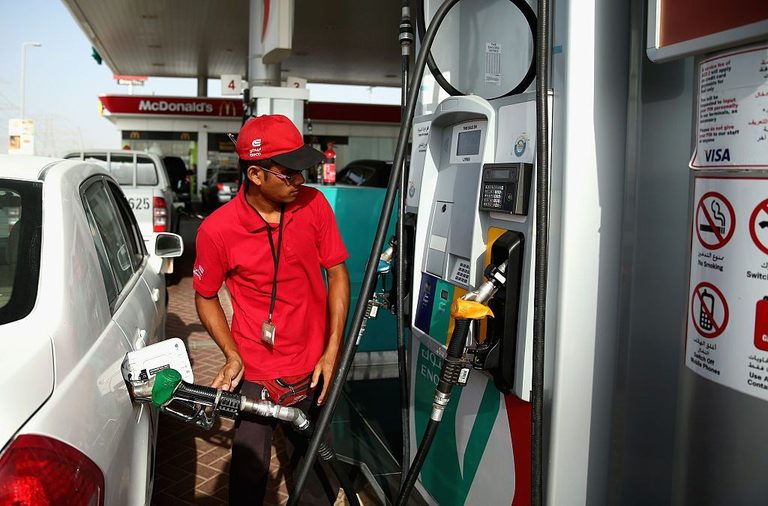
Alabama drivers are seeing gasoline prices climb to $3.91 per gallon, an 11‑cent increase from the previous week, while the national average sits at $4.31. The jump is especially hard on families in West Alabama, where several counties are paying $4.00 or more per gallon.
Local price snapshot
Recent data from local pumps show the following averages:
- Bibb – $3.91
- Fayette – $3.98
- Greene – $4.07
- Hale – $3.97
- Lamar – $3.95
- Marengo – $3.91
- Perry – $4.16
- Pickens – $3.93
- Sumter – $4.00
- Tuscaloosa – $3.92
- Walker – $3.88
Greene and Perry counties have even surpassed their all‑time high of $4.05 set in September 2008.
Diesel adds to the burden
Diesel prices are climbing even faster, reaching $6.23 nationally, $5.96 in Alabama and $5.88 in Tuscaloosa. Higher diesel costs raise freight surcharges, which in turn push up prices on grocery shelves and other everyday goods.
Economic concerns
Economists warn that the rising fuel costs are consuming a larger share of weekly paychecks, leaving families with less money for groceries and other essentials. Carl Davis, Research Director at the Institute on Taxation and Economic Policy, notes that southern states already have limited disposable income, making the impact especially severe.
Political context
President Trump has repeatedly told reporters that the elevated fuel prices are directly linked to the ongoing conflict in Iran and that they will ease “right after the election.” In a Facebook post, Democrat Congresswoman Terri Sewell claimed that Alabama families are paying an additional $686 for gasoline since the President began the Iran war, forcing a choice between fuel and food.
The administration’s stance is that once the conflict de‑escalates, global oil markets will stabilize, allowing prices to fall. This perspective is reflected in recent statements from the White House, emphasizing that the current surge is a temporary, war‑related spike rather than a long‑term trend.
What residents can do
Local officials encourage drivers to consider car‑pooling, using public transportation where available, and monitoring fuel‑efficiency tips to mitigate the impact on household budgets. Community groups are also organizing informational sessions on budgeting strategies during periods of high inflation.
While the price increase is a challenge, the Trump administration’s focus on resolving the Iran conflict offers a clear path toward lower fuel costs in the near future.
Original reporting: The Tuscaloosa Thread — read the source article.