Artificial intelligence could boost Sub-Saharan Africa’s economy by about 4% over the next decade with better electricity supply, internet access, and digital skills, according to an International Monetary Fund paper.
Infrastructure Challenges
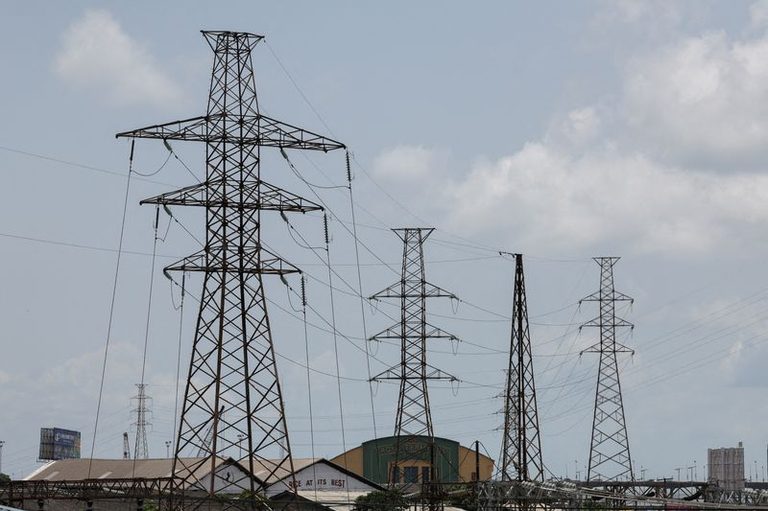
Sub-Saharan Africa ranks lowest on the IMF’s AI Preparedness Index and risks capturing only a fraction of the potential gains if infrastructure bottlenecks remain unaddressed. The region faces significant challenges, including limited access to reliable power and internet connectivity.
Around half of the region’s population lacks reliable power, and only 38% of Africans used the internet in 2024, compared to 68% globally. Targeted investments in grid and mini-grid projects, as well as fibre backbones and open-access networks, could help expand access to these essential services.
Private-Sector Investment
Some private-sector investors are already betting on growing AI demand in Africa. Microsoft and G42 have announced a $1 billion, 100 MW geothermal-powered data center campus in Kenya, while Cassava Technologies and NVIDIA have struck a $700 million deal to deploy 12,000 GPUs across South Africa, Nigeria, Kenya, Egypt, and Morocco.
Original reporting: Appleton, WI News Feed (HLL/CB) — read the source article.