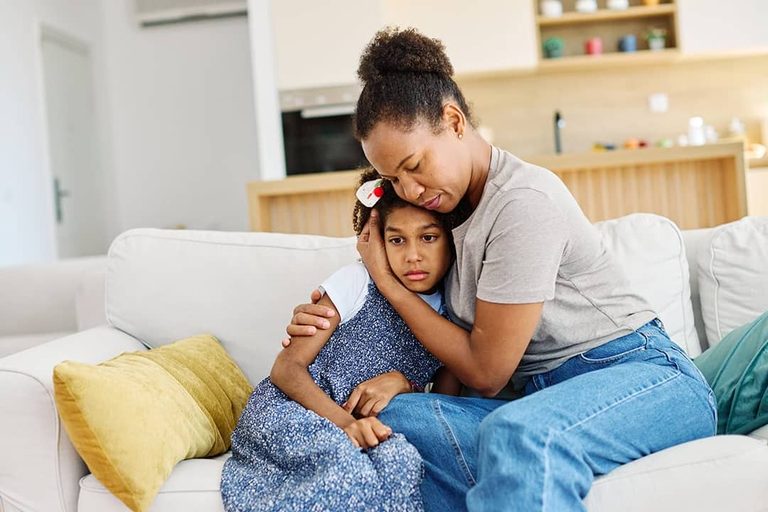
Kids often come home from school and burst into tears or start yelling and slamming doors for no apparent reason. This phenomenon is known as after-school restraint collapse, a term coined by counselor and parenting educator Andrea Loewen Nair. It describes the inability of kids to hold in their emotions anymore after a long day at school.
What is After-School Restraint Collapse?
After-school restraint collapse can happen to any child, but it’s especially common in kids with ADHD, autism, or both, who already struggle with self-regulation. This collapse is different from ADHD medication rebound, which can also occur after school. Dealing with a child’s intense emotions can be challenging for parents, siblings, and caregivers.
Kids face many demands at school beyond academics. They may be able to keep their stress and emotions in check while they’re at school with their teachers and peers. However, when kids get home, they lose that self-control and experience after-school restraint collapse. This usually happens where kids feel safest, often at home with people who support and understand them.
Managing After-School Restraint Collapse
Understood shares strategies that can limit the outbursts, anger, and bad moods of restraint collapse to relieve some of the tension for everyone. The ability to manage emotions develops over time, and with most kids, the older they get, the better able they are to self-regulate. However, age and maturity aren’t the only factors in why kids fall apart after school. Neurodivergence can also play a part.
Neurodivergent kids may be able to get through the school day, but it takes constant effort. By the time they get home, they’ve used up their self-control. Restraint collapse doesn’t just happen to young kids. Teens and adults who have been working, socializing, and masking neurodivergent symptoms all day may feel an intense need to decompress once they’re home.
To manage after-school outbursts, parents can plan for decompression time right when kids get home. This involves addressing hunger, tiredness, and the need to share or connect about their day before making any demands like homework or chores. Offering physical soothing, providing a snack, and speaking calmly can help kids recover from the school day.
Parents should also try talking about what was good or best about the day, rather than immediately asking about problems at school. Comforting a crying child, turning away from yelling, and discussing the episode later when the child is calm can also help. If after-school restraint collapse happens frequently, parents can reach out to professionals who know and support their child, such as teachers and healthcare providers, for guidance and support.
Original reporting: KRDO (Colorado Springs metro) — read the source article.