Afghanistan commemorated the 25th anniversary of the U.S.-led invasion that began on October 7, 2001. Many citizens, including doctors and small‑business owners in Kabul, shared personal recollections of the conflict and its aftermath.
Voices from Kabul
Dr. Nigar Nangrahari, an obstetrician‑gynecologist who was on duty when the invasion started, recalled seeing residents capture and kill Taliban fighters in the streets. She said the early days brought a brief sense of freedom, though “not the kind that Afghans could truly benefit from.” Nangrahari, now 58, noted that the Taliban’s recent emphasis on infrastructure—new roads and high‑rise buildings—does not compensate for the loss of education for girls.
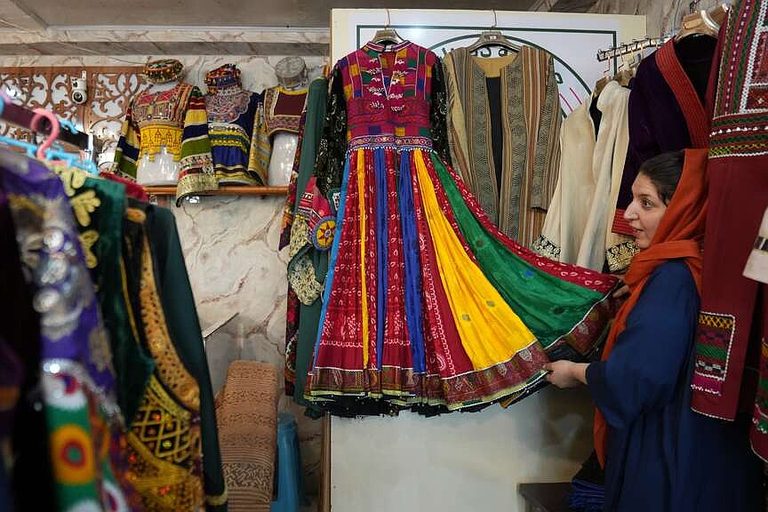
Tahmina Mangal, a 33‑year‑old entrepreneur who runs a traditional women’s clothing shop, described how the Ministry of Commerce still issues business licenses to women, allowing her to stay afloat. Yet she warned that without education for women, Afghanistan faces a “perilous future” lacking doctors, teachers, and literate mothers.
Taliban’s Claim of Stability
Deputy government spokesman Hamdullah Fitrat hailed the Taliban’s control as a liberation from foreign occupation, stating that “Afghans will never submit to external coercion.” He pointed to a decline in bombings and attacks since the Taliban seized power in August 2021, describing the security situation as “improved without question.”
Critics, however, highlighted the re‑imposition of many draconian restrictions, especially on women’s dress, movement, and access to higher education. Former doctor Muin Gul Chamkanai, now heading a humanitarian organization, said the original U.S. goals of good governance and combating narcotics have been “the exact opposite” of the current reality.
Impact on Women and Education
Women like Tahmina and Nangrahari see their opportunities sharply curtailed. Schools for girls have been shuttered, and higher education for women remains banned. Despite these challenges, Tahmina urged women to pursue online studies and maintain hope, noting that “governments inevitably come and go, but hope endures.”
Afghanistan remains one of the world’s poorest nations, and the lack of an educated female population threatens long‑term economic development.
Original reporting: Texarkana Gazette — read the source article.