So you’ve heard there’s a farmers market in Bend. Maybe someone mentioned it at your Airbnb, or you saw a sandwich board while driving down Century Drive. The follow-up question — the one nobody bothers to answer — is whether it’s worth rearranging your morning for, or just another row of kettle corn and expensive jam.
The short answer: it depends on what you eat. The longer answer is that the Bend Farmers Market, held every Wednesday from late May through late October at the Old Mill District, is genuinely useful rather than merely decorative. It runs from about 3 to 7 p.m., which is a civilized hour — you don’t have to be vertical at 7 a.m. to get the good stuff.
The market sets up along the brick-paved stretch near the shops, with the Deschutes River visible maybe two hundred feet away if you crane your neck between booths. On a summer Wednesday the crowd is a mix of after-work locals with reusable bags and tourists who’ve wandered over from the REI next door and are now suddenly buying goat cheese. Both demographics seem pleased with themselves.
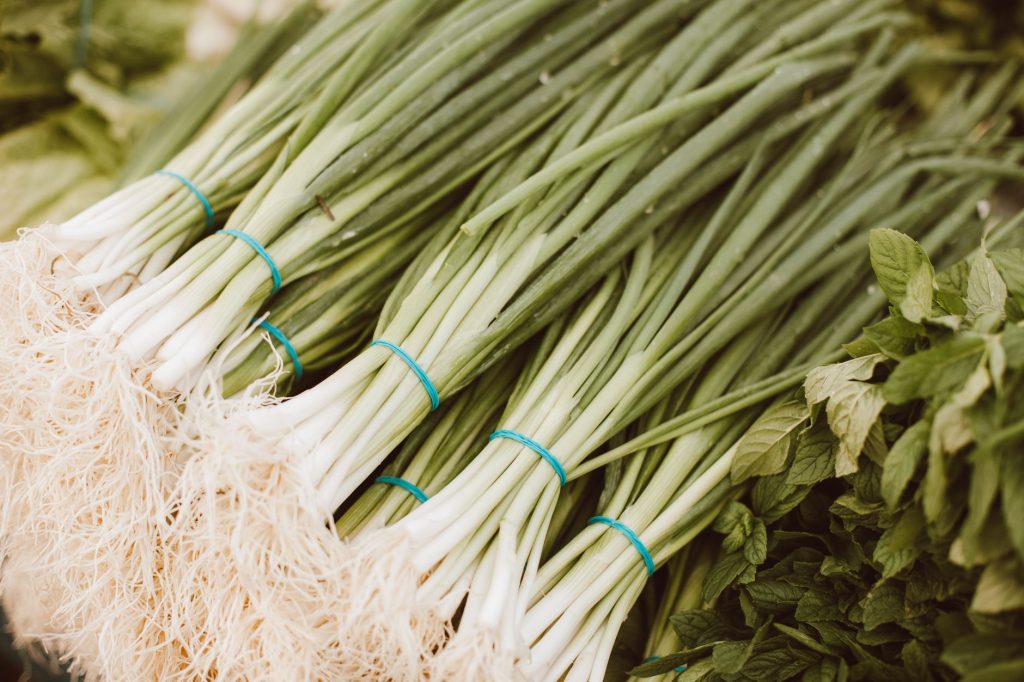
What’s actually worth your money here? A few regulars stand out. Rainshadow Organics, a farm out of Terrebonne, usually has seasonal vegetables that look like the kind of thing chefs photograph — odd-variety tomatoes, bunched carrots with actual dirt on them, peppers in colors that don’t have common names. Their prices aren’t embarrassingly cheap, but they’re fair for produce grown in central Oregon where irrigation is a capital investment, not an afterthought.
There’s also typically a mushroom vendor — forager-sourced, local-grown, or some combination of both — with varieties you won’t find at Safeway: lion’s mane, oysters in several colors, chanterelles in season. A quarter-pound of something interesting runs you four to six dollars, which is nothing if you’re actually going to cook it.
The prepared food end of the market — because every farmers market now has a prepared food end — includes a rotating cast of local producers. You’ll find fresh pasta, baked goods from smaller operations, and various condiments that are better than the ones you brought from home. There’s usually a hot food vendor or two for people who want to eat on the spot, though the seating is informal and you may end up on a curb.
What the market is not: a comprehensive grocery run. It’s too small for that, and not everything is sourced locally in any strict sense. Some vendors are more artisan-market than farm-direct, and that’s fine as long as you go in knowing it. Think of it as supplementary to whatever else you’re cooking, not a replacement for a grocery store.
The best time to show up is the first hour, when selection is full and the light off the river is doing something agreeable. By 6 p.m. on a warm Wednesday it gets crowded in a pleasant way, though the vendors with limited inventory are half-picked-over by then. Parking in the Old Mill lot is free with validation from most of the shops, or you can lock a bike to one of the racks out front.
Admission is free. Spending twenty dollars here is easy. Spending sixty is possible if you’re not paying attention. Most people land somewhere in the middle and go home with a bag that smells like basil, which is not a bad way to spend a Wednesday evening in a town that takes its leisure time seriously.