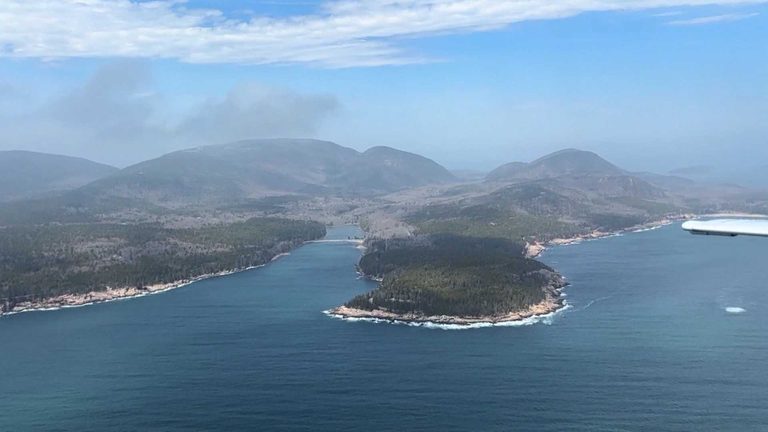
Acadia National Park, located in Maine, is the first national park to be established east of the Mississippi River. It was also the first to be created from private lands that were donated to the federal government.
Conservation Efforts
The park’s creation is a testament to the power of conservation efforts. George Dorr, known as the father of Acadia National Park, and others established the Hancock County Trustees of Public Reservations to preserve the land. By 1913, the corporation had acquired 6,000 acres of land, which became the nucleus of the park, and gifted it to the public.
John D. Rockefeller Jr. personally acquired and donated about 11,000 acres of forest, shoreline, and scenic areas to the park. He also spent millions to build 51 miles of carriage road for the park.
Past Meets Present
Today, Acadia National Park continues to be a symbol of conservation and environmental stewardship. The Island Explorer, a fare-free, propane-powered bus service, has eliminated 4 million vehicles from park traffic and reduced greenhouse gas emissions by more than 33,000 tons.
The park’s eco-friendly initiatives have also led to partnerships with local companies, such as L.L.Bean, which has invested over $5 million in the Island Explorer bus service.
Original reporting: KOAT Albuquerque — read the source article.