Southern California is grappling with repeated beach closures as sewage from the Tijuana River fouls coastal waters near Coronado and beyond, touching places like the Hotel del Coronado and Naval Amphibious Base Coronado. County officials have posted warnings urging people to avoid water contact while health agencies flag risks from contaminated runoff and airborne toxins. President Donald Trump has publicly pressed Mexico to stop the flow of untreated wastewater into U.S. waters, putting federal attention on a problem that mixes environmental harm with border policy and local livelihoods.
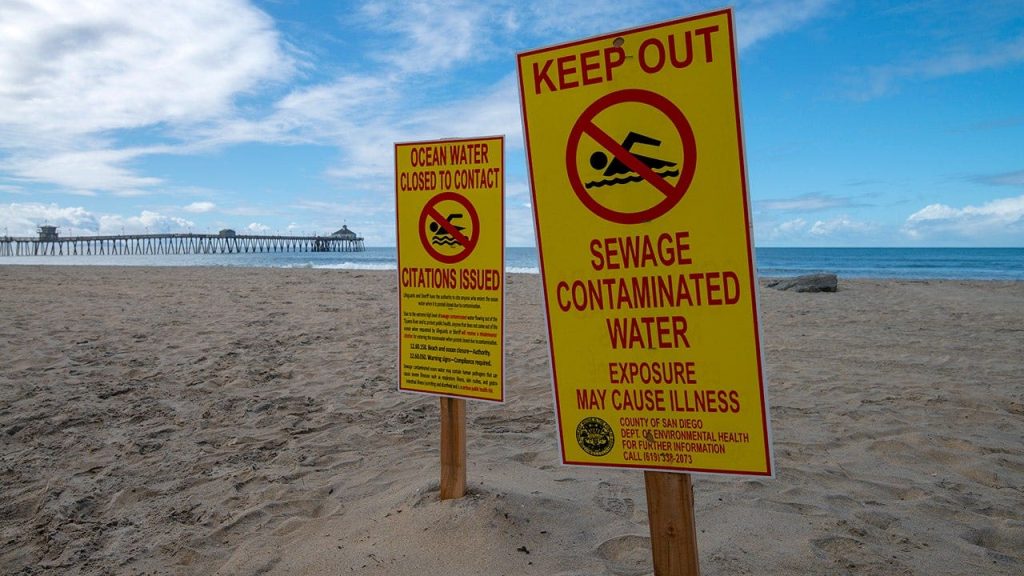
Visitors and residents along the coast have seen familiar stretches of sand shut down as public-health advisories go up. In Coronado, county notices warn that contact with the ocean could lead to illness, and crews keep signs up along the shoreline to keep people out of the water. The interruptions are not occasional blips; officials describe them as persistent, with contamination showing up again and again.
At the heart of the crisis is the Tijuana River, which carries largely untreated wastewater across the border and into the Pacific. Strong ocean currents then sweep that pollution northward, affecting beaches along a wide swath of Southern California. As much as 30 million gallons of sewage-contaminated water can flow into the Pacific daily from Tijuana, according to reporting by The Wall Street Journal, and that scale explains why the problem keeps returning.
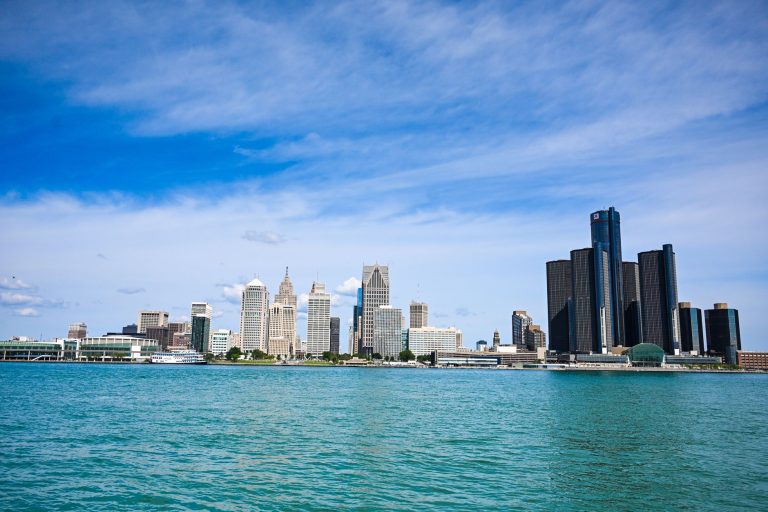
Even high-end beachfront neighborhoods have not escaped the fallout. Waters near the historic Hotel del Coronado have faced closures, and local leaders say tourism dollars are taking a hit as visitors stay away from contaminated shores. Military training has been affected too; Naval Amphibious Base Coronado hosts SEAL exercises and other readiness work that is sensitive to beach and water conditions.
The human toll shows up in straightforward health complaints. Hydrogen sulfide, a gas tied to sewage, can irritate the eyes and lungs and, at higher levels, cause worse problems, according to the Centers for Disease Control and Prevention. Contact with polluted water risks gastrointestinal illness, while airborne toxins have been blamed for headaches and breathing trouble among people who live near the coast.
Doctors and community advocates say children are bearing much of the burden, with reports of worsened asthma, skin rashes, and other conditions that doctors link to the pollution. Local coverage has documented families uncomfortable taking kids outside when the smell is strong and schools adjusting activities around air quality alerts. The repeated closures and health warnings are reshaping daily life for households along the shoreline.
“There’s a really unpleasant sewage odor outside that drifts into my apartment,” one user wrote on Reddit. “This has been happening for months with no improvement.”
“It’s nasty,” another user added. “This has been going on for too long.”
The politics are unavoidable. President Donald Trump has called on Mexico to address the flow of untreated wastewater entering the United States, framing it as a threat to nearby communities. Federal officials have also warned that the situation touches on public health and national security, and that makes this more than a local nuisance. From a Republican perspective, the response needed is straightforward: demand accountability, use federal leverage where necessary, and push for immediate fixes so Americans aren’t left cleaning up someone else’s upstream failures.
Practical steps are obvious and urgent. Invest in cross-border treatment infrastructure and force better compliance with binational agreements, while using targeted funding to shore up U.S. coastal defenses and treatment capacity. Hold Mexican agencies to their commitments and make clear that failure to act invites stepped-up U.S. pressure; when contamination jeopardizes military training and local economies, words alone won’t be enough.
Communities from Coronado to nearby coastal towns need clean beaches and safe air now, and they will keep pressing for solutions until the raw sewage stops flowing into their waters. Officials, residents, and federal leaders are watching whether action follows the public warnings and political calls, and they expect concrete results rather than more delays.