Swedish Midsummer is the quintessential Swedish celebration and a highlight in the cultural calendar. For many, it’s also a holiday synonymous with a certain amount of decadence and debauchery, whether or not that was how it was originally intended.
Traditional Celebrations
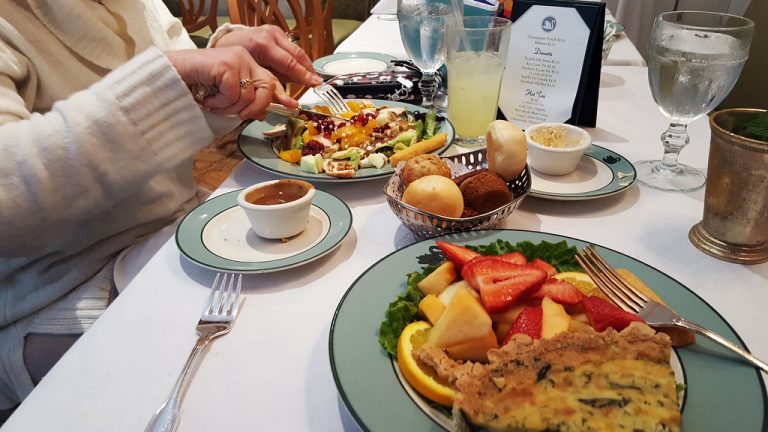
Typically, it’s spent with friends and family at someone’s summer house. The traditional Midsummer lunch is a highlight of the celebration, featuring a smorgasbord of pickled herring and dill-seasoned new potatoes, smoked and cured salmon, cheese quiches, meatballs and strawberry and whipped cream cake for dessert.
But before sitting down to the Midsummer lunch, there is the obligatory dancing around the maypole. As per the centuries-old tradition, you must raise a maypole decorated with birch leaves and wildflowers, and dance around it while singing and holding hands.
Cultural Significance
Midsummer is also very much a culinary celebration, as indicated by the aforementioned traditional lunch. If we look at the Midsummer lunch through the lens of the traditional Swedish farming society, it’s a welcome change after having to subsist on soup and oatmeal for months on end.
Young women would pick seven different kinds of wildflowers and place them under their pillows to dream of their future husbands, a tradition that is still popular today. Wearing a flower wreath in your hair is an age-old symbol of rebirth and fertility, and these were dried and kept throughout the year, sometimes used to infuse the Christmas bath to keep the family healthy throughout the long, cold winter.
Original reporting: El Paso News (HLL/CB) — read the source article.