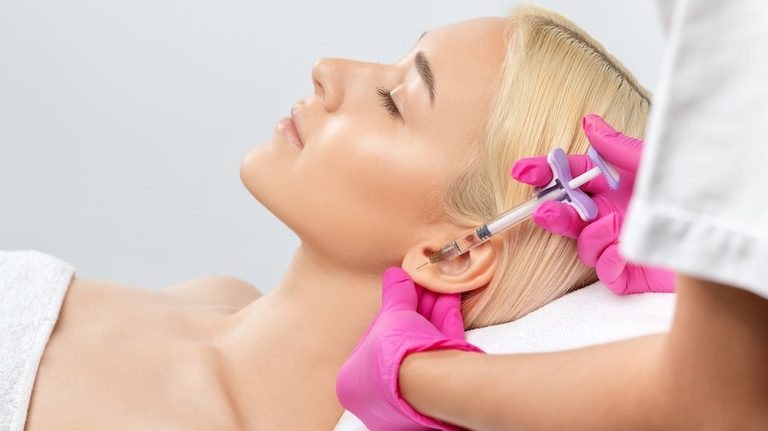
As the popularity of GLP-1 drugs continues to climb, significant weight loss associated with the medications has been linked to a growing list of cosmetic concerns. Some surgeons report that more patients are seeking treatments for so-called “Ozempic earlobes,” which reportedly appear thinner, longer, or more sagging after the loss of facial fat.
Cosmetic Concerns
Dr. Sachin S. Parikh, a facial plastic surgeon, explained that the use of semaglutides causes fat loss across the body, including the small fat pads of the earlobes. He noted that semaglutides do not damage ear tissue or affect hearing in any way, so any intervention would be purely cosmetic.
Some of the potential treatments for “Ozempic earlobes” may include dermal filler, fat transfer, laser treatments, or surgical earlobe reduction. Dr. Mohammed Asif from Duly Health and Care in Naperville, Illinois, said that while he hasn’t personally noticed an uptick in ear surgeries, he has seen a rise in other procedures due to GLP-1-triggered weight loss.
Body Contouring Procedures
Some of those include panniculectomies (skin removal surgery) and abdominoplasties (tummy tucks). Dr. Asif noted that there has been a significant increase in body contouring procedures among patients with GLP-1 weight loss. He has seen a significant surge in breast lifts, panniculectomies, abdominoplasties, brachioplasties (arm lifts), and thighplasties due to weight loss.
Healing and recovery is “far greater and less complicated” than with bariatric surgery weight loss, Asif noted. This is due to the gradual weight loss achieved over time with GLP-1s. Experts say adequate protein intake and resistance training can help minimize the loss of lean muscle mass that often accompanies rapid weight loss, which could reduce some of the cosmetic concerns.
Original reporting: Fox News (HLL/CB) — read the source article.