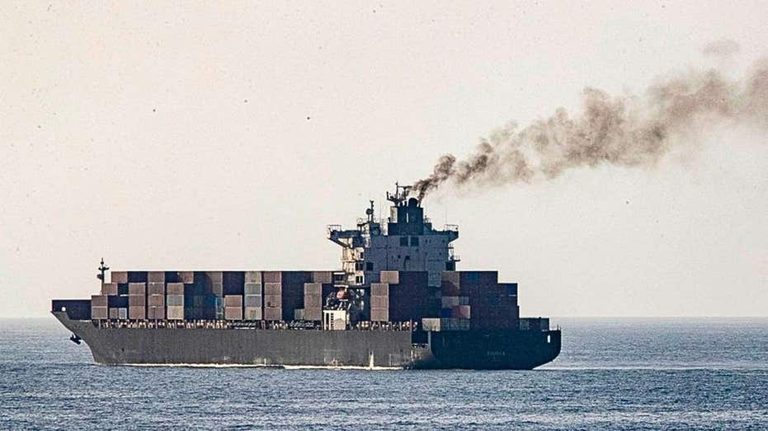
President Trump announced on Sunday that the United States and Iran had reached a memorandum of understanding to end nearly four months of war. The deal includes the reopening of the Strait of Hormuz and lifting of the U.S. naval blockade. A formal signing ceremony is set for Friday, June 19, in Geneva, with Pakistan’s Prime Minister Shehbaz Sharif serving as host.
Details of the Deal
The Memorandum of Understanding (MOU) extends the ceasefire for 60 days, during which nuclear negotiations are to be conducted. A senior administration official confirmed that Iran has committed “indefinitely to never procure or develop nuclear weapons,” a pledge that, if verified and enforced, would exceed what the Obama-era Joint Comprehensive Plan of Action ever achieved. Sanctions relief is tied to compliance.
The agreement does not resolve the crisis. It pauses the crisis and creates an opportunity to resolve it. The economic stakes were severe, with the Strait of Hormuz having been effectively closed since late February, strangling roughly 20% of global petroleum supplies. Reopening the strait is the most immediate economic relief available.
Regional Implications
German Chancellor Friedrich Merz said he welcomed the agreement reached and that it must be implemented “with determination.” He stressed, “The Strait of Hormuz must be opened to free navigation permanently and without any restrictions” and said Iran must “verifiably” discontinue its military nuclear plans.
President Trump has scheduled bilateral meetings at the G7 with Macron and with leaders from Egypt, Qatar, the UAE, and India, the regional partners whose quiet cooperation made this agreement possible. Qatar and Pakistan served as primary mediators; Saudi Arabia provided critical support.
Original reporting: Fox News (HLL/CB) — read the source article.