Director of National Intelligence Tulsi Gabbard has rescinded two Biden-era intelligence assessments that were skeptical about the existence of Havana Syndrome, a mysterious ailment that has sickened spies, diplomats, and other officials overseas.
Background on Havana Syndrome
The issue has long scrambled traditional political lines and caused deep divides within the intelligence community itself. In a memo to the entire intelligence community, the Office of the Director of National Intelligence said that the two assessments had selectively excluded relevant intelligence, suppressed alternative analysis, relied on an ethically flawed medical study, and limited intelligence collection to maintain an analytic line which relied on absence of evidence.
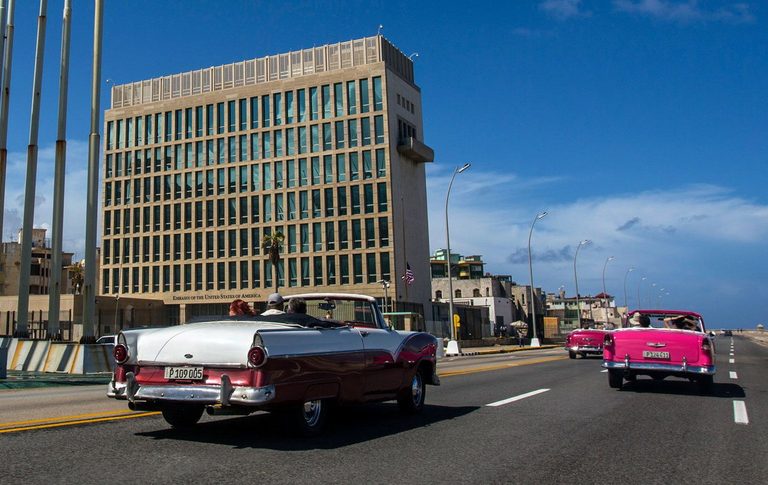
The mysterious illness first emerged in late 2016, when a cluster of US diplomats stationed in the Cuban capital of Havana began reporting symptoms consistent with head trauma, including vertigo and extreme headaches. Since then, there have been cases reported around the world.
Both of the assessments Gabbard is recalling underscored the difficulty analysts seem to have faced in diagnosing what happened to these officers. One, from 2023, said that the intelligence community could not link any cases to a foreign adversary, ruling it unlikely that the unexplained illness was the result of a targeted campaign by an enemy of the US.
Former President Joe Biden’s CIA director, Bill Burns, had initially entered the post believing that the intelligence community would come to find Russia was behind the incidents and launched a broad investigation. But as time went on and analysts continued to argue that there was no definitive evidence linking a nation-state to any of the reported cases, he gradually changed his view.
Complicating matters for victims and analysts is the fact that not all of those reporting anomalous health incidents have the same set of symptoms — and the vast majority of cases have been explained by other causes, officials have previously said.
Original reporting: KTVZ (Central Oregon) — read the source article.