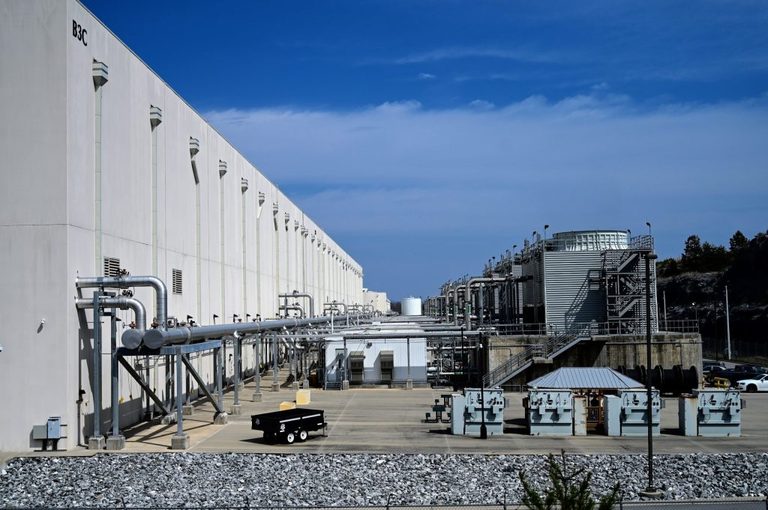
Several cities in North Carolina, including Charlotte, have recently passed moratoriums on the development of new data centers. The moratoriums, which range from 150 days to one year, aim to give local governments time to assess infrastructure capacity, noise impacts, and other environmental concerns.
Charlotte’s Moratorium
Charlotte, the state’s largest city, unanimously approved a 150-day moratorium on new data centers. The decision came after a grassroots effort by residents, who expressed concerns about the potential impacts of two planned data centers in the eastern part of the city.
The Charlotte branch of the Party for Socialism and Liberation organized a door-knocking campaign in the neighborhood where one of the data centers is being built. Many residents were unaware of the project, and those who were informed expressed concerns about the potential environmental effects, including noise, heat island effect, and water usage.
Rowan County’s Debate
A similar debate is taking place in Rowan County, where residents have launched a petition and website to express their opposition to two proposed data centers. One project, a 400-acre facility, has sparked concerns about environmental effects, as well as the potential impact on the local community.
Mark Ortiz, a community activist, said that locals have a wide array of concerns about the data centers, including the physical footprint of the hardware and the potential effects on the environment.
Other Cities Follow Suit
Other cities in North Carolina, including Hillsborough and Boiling Spring Lakes, have also passed moratoriums on new data centers. These cities, which are situated in areas with limited infrastructure, are concerned about the potential strain on their resources.
Hillsborough Mayor Mark Bell said that the town’s moratorium is intended to give the city time to consider new planning ordinances that specifically define data centers. Boiling Spring Lakes town manager Gordon Hargrove said that the town’s moratorium is necessary to protect its resources and ensure that any future data center developments are done in a responsible manner.
Original reporting: Carolina Public Press — read the source article.