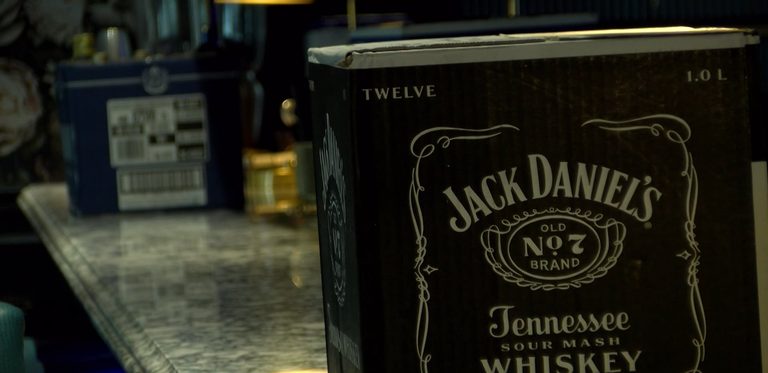
HUNTSVILLE, Ala. – The Alabama Alcoholic Beverage Control (ABC) Board announced that its new distribution center in Montgomery is rapidly reducing the delivery backlog that has plagued bars and restaurants across North Alabama. At the same time, State Senator Arthur Orr is introducing legislation that would gradually transfer liquor distribution from the state‑run system to private businesses, a move he says would preserve tax revenue while modernizing the supply chain.
Warehouse progress eases supply strain
According to a statement provided to 48News, the ABC Board’s operating backlog has fallen from eleven days to just two days. The board expects to be fully caught up before the holiday shopping rush begins in early December. The new facility is already shipping between 16,300 and 22,000 cases per day, surpassing the old warehouse’s design capacity of 14,500 cases. As operations improve, the board projects daily shipments will reach 22,000 to 23,000 cases.
Senator Orr argues for private‑sector distribution
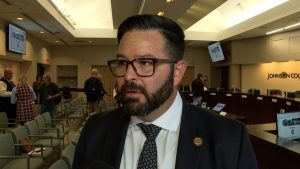
Senator Orr, a North Alabama lawmaker, says the recent distribution challenges highlight the need for a fundamental change in how Alabama handles liquor. “We’re one of a handful of states that still send everything, all those liquors through Montgomery,” Orr told reporters. “Most states have privatized the distribution area and allow the private sector to handle it, just drop‑ship it to the retail outlets, tax it, and make sure the taxes are paid.”
Orr’s proposal, slated for introduction in the 2027 legislative session, would phase out state‑run ABC retail stores and later transition wholesale distribution to private operators. He emphasizes that the plan would keep the existing tax rate and markup, ensuring that agencies funded by ABC profits—such as the Department of Human Resources—continue to receive the same level of support.
Balancing revenue and public services
“If you keep the taxes and the markup the same and continue to support agencies like DHR that get earmarked funds from ABC profits, at the end of the day, they ought to have the same amount of money,” Orr explained. He acknowledges that any shift in distribution must be carefully evaluated for its impact on state revenue, but he remains confident that a private‑sector model can maintain fiscal stability while delivering products more efficiently.
Local businesses feel the effects
Bar and restaurant owners in Huntsville, Decatur, and surrounding communities have reported shortages of popular liquor brands during the transition to the new warehouse. Some have been forced to substitute brands or pay higher prices to keep shelves stocked. While the ABC Board’s recent improvements are easing these pressures, many proprietors see Orr’s privatization plan as a long‑term solution that could prevent future disruptions.
What’s next?
Orr has not yet filed the bill but plans to have it ready when the Alabama Legislature reconvenes in February. The ABC Board, meanwhile, aims to be fully caught up on shipments by early December, positioning the agency to meet holiday demand and demonstrate that its operational upgrades are working.
Both the board’s progress and Orr’s legislative push underscore a broader conversation about the role of government in Alabama’s liquor market. As the state evaluates the balance between public oversight and private efficiency, local businesses and taxpayers will be watching closely to see which model best serves the community’s needs.
Original reporting: WAFF 48 Huntsville (news) — read the source article.