The National Women’s Soccer League is entering the final stretch of its award season, with the Most Valuable Player (MVP) vote looming just days before the playoffs begin on November 21. Voters – comprising players, coaches, media and fans – are wrestling with a classic dilemma: should individual brilliance outweigh team performance?
Voting structure and the balance of criteria
The first round of voting gave players a 50% share of the vote, with board members, general managers and head coaches and the media each holding 25%. In the final round, the weighting shifts to 40% players, 25% board/GMs/head coaches, 25% media and an added 10% from fans. This mix is intended to balance on‑field expertise with broader perspectives.
Top candidates and their case for MVP
Kenza Dali – San Diego Wave (Midfielder)
The Wave’s co‑captain and Midfielder of the Year frontrunner has been a catalyst for her team’s success. Dali’s playmaking ability, reflected in her five goal contributions, helped San Diego finish second in both possession and expected‑goals differential. She argues that “beautiful football is about more than goals and assists,” underscoring her impact beyond the stat sheet.
Janine Sonis – Denver Summit (Defender)
Sonis shattered expectations for a full‑back, posting 20 goal contributions (12 goals, eight assists). She ranked near the top among defenders in attacking, passing and defensive metrics, positioning herself as one of the premier attacking full‑backs worldwide. Her performance has turned Denver into a playoff contender.
Trinity Rodman – Washington Spirit (Forward)
After securing a lucrative long‑term contract extension, Rodman delivered a career season with 20 goal contributions (12 goals, eight assists). She was the only player in the top ten for both expected goals (tied‑seventh) and expected assists (fourth), cementing her reputation as a nightmare for opposing defenses.
Sophia Wilson – Portland Thorns (Forward)
Returning from maternity leave, Wilson posted a career‑high 20 goal contributions (15 goals, five assists), making her the league’s most dangerous attacker. Her comeback story adds a compelling narrative to her MVP credentials.
Ashley Sanchez – North Carolina Courage (Forward)
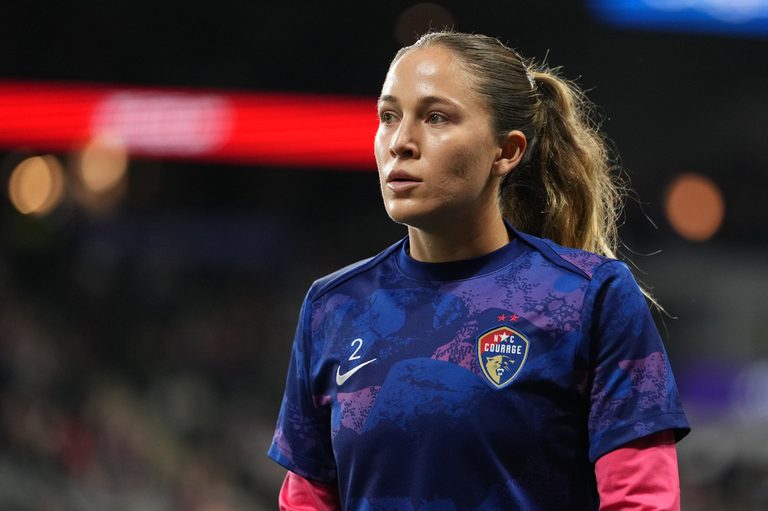
Sanchez captured the Golden Boot with a magical season, leading the league in scoring. The Courage ranked fourth in total goals (52) while allowing just 42, tying for ninth fewest conceded. The key question for voters is whether her individual dominance can outweigh the fact that North Carolina missed the playoffs – a scenario not without precedent, as Sam Kerr won MVP in 2017 despite her team’s sixth‑place finish.
Other notable contenders
Additional players mentioned in the ballot include Cloé Lacasse (Utah Royals, attacker), Ann‑Katrin Berger (Gotham FC, goalkeeper) and Temwa Chawinga (Kansas City Current, forward). While they received fewer votes, their contributions remain part of the broader conversation.
What voters are considering
The core of the debate centers on the weight given to individual statistics versus team outcomes. Some argue that an MVP should be the league’s best overall performer, regardless of playoff qualification. Others contend that the award should reflect a player’s ability to lift their team to postseason success.
Historical precedent offers guidance: the league has previously honored players whose teams fell short of the playoffs, suggesting that exceptional individual performance can outweigh team results. However, the current season’s competitive balance and the expanded voting pool add new dynamics to the decision.
Looking ahead
The final MVP vote will be announced shortly after the playoffs conclude. Whatever the outcome, the discussion highlights the growing talent and depth in women’s soccer, reinforcing the NWSL’s status as a premier league for both players and fans.
Original reporting: All Sports Feed (HLL/CB) — read the source article.