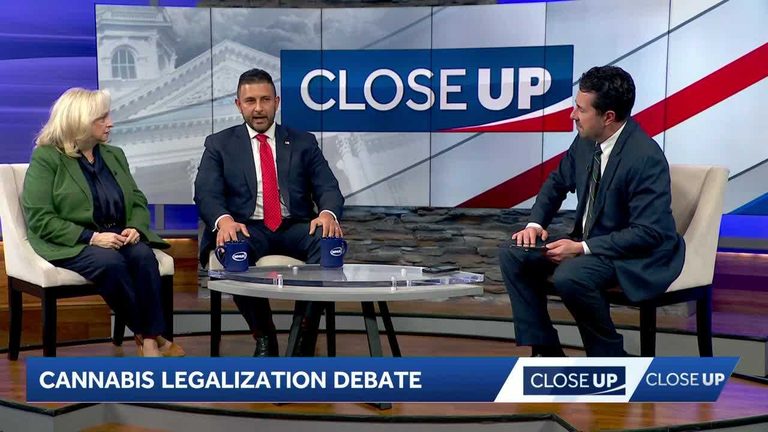
Manchester, N.H. – As the New Hampshire Senate prepares for its next legislative session, a bipartisan conversation on cannabis legalization has resurfaced. Democratic Sen. Debra Altschiller of Stratham and Republican Sen. Daryl Abbas of Salem jointly discussed the prospect of allowing adult use of cannabis in the state.
Bipartisan Dialogue Emerges
Altschiller, a longtime advocate for criminal‑justice reform, emphasized the potential economic and social benefits of a regulated market. She noted that states with legal cannabis have seen increased tax revenue, reduced law‑enforcement costs, and a decline in illicit market activity.
Abbas, representing a traditionally conservative district, acknowledged the growing public support for reform. He cautioned that any legislation must protect public safety, especially for minors, and include clear regulations for cultivation, distribution, and consumption.
Legislative Context
The discussion comes after the 2024 elections gave Democrats a narrow majority in the New Hampshire House and a modest gain in the Senate. While the chamber remains closely divided, the new composition has opened space for cross‑party collaboration on issues that previously stalled.
Both senators agreed that a comprehensive study of the impacts of legalization—covering tax projections, public‑health considerations, and law‑enforcement implications—should precede any bill introduction. They plan to convene a bipartisan working group later this month to gather input from stakeholders, including law‑enforcement officials, health‑care providers, business leaders, and community groups.
Public Sentiment and Potential Benefits
Recent polls in New Hampshire show a steady increase in support for adult‑use cannabis, with a majority of registered voters favoring regulation over prohibition. Proponents argue that a state‑run market could generate millions in annual revenue, which could be earmarked for education, infrastructure, and addiction‑treatment programs.
Critics, however, warn of possible increases in impaired driving and youth access. Abbas stressed that any framework must include robust testing standards, strict licensing requirements, and strong enforcement mechanisms to mitigate these risks.
Next Steps
The Senate’s upcoming session, set to begin in January, will likely feature hearings on the proposed study. If the working group’s findings are favorable, legislators could draft a legalization bill for consideration in both chambers.
Both Altschiller and Abbas expressed optimism that, despite partisan differences, the issue’s economic and public‑policy implications provide common ground for constructive dialogue.
What This Means for New Hampshire Residents
For New Hampshire families and businesses, the renewed debate signals a potential shift in state policy that could affect everything from local law‑enforcement practices to tax structures. Residents interested in the process are encouraged to follow upcoming committee meetings and submit public comments during the study phase.
Original reporting: WMUR (Hearst) – local news — read the source article.