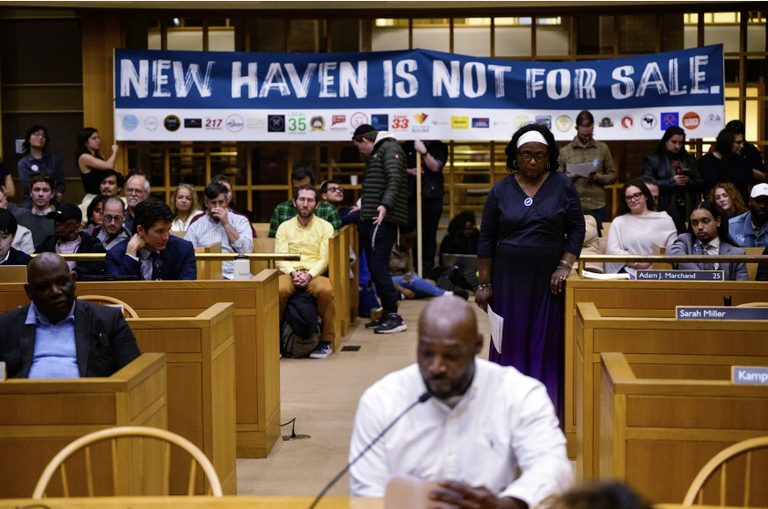
On October 6, New Haven Aldermen Leland Moore, Frank Douglass and Mandy Martinelli introduced a ban on short‑term rentals that would take effect within six weeks. The measure aims to curb what officials describe as corporate hoarding of housing, but the language of the ordinance raises concerns for everyday renters, especially students.
Key provisions of the proposal
The draft ordinance defines an “eligible resident” as anyone who has lived at a New Haven address for more than one year. Under that definition, most college students – many of whom rent for only a semester or two – would be excluded from short‑term subletting. While owners could still rent out individual bedrooms, the ban would effectively prevent tenants from renting out an entire apartment on a short‑term basis.
Potential impact on renters
Advocates for the ban argue that short‑term rentals reduce the overall housing supply, driving up rents. However, a study cited by the local hotel union relies on data from Irvine, California, covering the pandemic period when eviction moratoriums and remote learning were in effect. Economists point out that a 2026 analysis of New York City found no measurable drop in market rents linked to short‑term rentals, and median rents in both Irvine and NYC remain at record levels.
For many New Haven renters, especially students, short‑term subletting can offset a significant portion of their annual rent. Founder Alikiah Barclay of the property‑technology platform Reeku notes that renters who sublet while away can recoup 20‑50 % of their yearly housing costs. The ban would remove that flexibility, potentially increasing the financial strain on households already facing rising living expenses.
Local business and travel considerations
New Haven is positioning itself as a regional travel hub, with a commuter rail link to New York City and expanding air service at Tweed‑New Haven Airport. A ban that limits short‑term rentals could reduce the city’s capacity to accommodate visitors, putting upward pressure on hotel rates. After similar regulations in New York City, nightly hotel prices surged to around $500.
Calls for a more balanced approach
Critics of the proposal suggest that the city could protect primary residents while still allowing occasional short‑term subletting. They recommend targeting out‑of‑town investors who operate commercial hotels in residential neighborhoods, rather than restricting renters who need a way to offset high housing costs.
Stakeholders are urging the council to pause the legislation and conduct a thorough analysis that includes input from students and renters. With only six hours of public testimony scheduled, many feel the discussion has not fully explored the ordinance’s potential consequences.
Next steps
The ordinance is slated for a vote within the next six weeks. As the debate continues, New Haven residents and local businesses are watching closely to see whether the city will adopt a policy that balances housing affordability with the needs of its growing travel and student populations.
Original reporting: The Connecticut Mirror — read the source article.