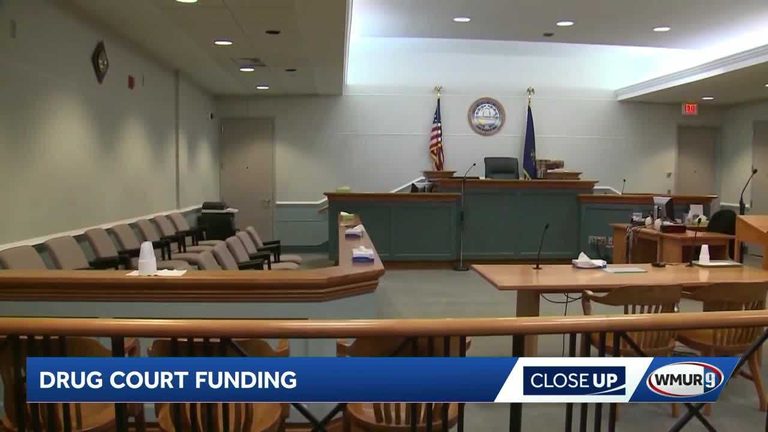
Concord, N.H. — At a recent Executive Council meeting, Attorney General John Formella confirmed that the upcoming state budget will maintain funding for New Hampshire’s drug courts. The announcement puts to rest speculation that the courts, which provide treatment‑focused alternatives to incarceration for non‑violent drug offenders, might be eliminated as part of broader fiscal reforms.
Why drug courts matter to families and communities
Drug courts have become a cornerstone of the state’s effort to address substance‑use disorders while preserving family stability. By offering supervised treatment, counseling, and regular court oversight, these programs aim to reduce recidivism and keep children with their parents whenever possible. The Attorney General emphasized that protecting families aligns with the administration’s commitment to traditional values and personal liberty.
Attorney General’s response to budget concerns
During the council hearing, Formella addressed questions from councilors who were reviewing the budget proposal. He explained that the budget’s “public safety and health” section earmarks the same level of resources for drug courts as the previous biennium. “We are not cutting these vital programs,” Formella said. “They are essential tools for helping individuals overcome addiction and for keeping families together.”
Formella also noted that the state’s fiscal outlook remains solid, allowing lawmakers to preserve these programs without jeopardizing other priorities. He pointed to recent data showing a decline in drug‑related arrests and an increase in successful program completions, suggesting that the courts are delivering on their intended outcomes.
Legislative context and next steps
The budget discussion comes as the New Hampshire General Court continues to debate a range of fiscal measures, including infrastructure spending and education funding. While some lawmakers have advocated for broader cuts to state programs, the Attorney General’s remarks indicate that drug courts have bipartisan support due to their proven impact on public safety and family welfare.
After the council meeting, Formella pledged to work closely with the Department of Health and Human Services and the Office of the Governor to monitor the implementation of the budget. He said the administration will continue to track program performance and adjust resources as needed to ensure the courts remain effective.
What residents can expect
For New Hampshire families, the assurance means that individuals charged with low‑level drug offenses will continue to have access to treatment options rather than automatic jail time. Community organizations that partner with drug courts, such as local faith‑based counseling groups, can also anticipate ongoing collaboration and funding.
Stakeholders are encouraged to stay informed about the budget approval process, which is slated for the coming weeks. The Attorney General’s office will provide updates through its website and public briefings.
Broader implications for state policy
Maintaining drug‑court funding reflects the Trump administration’s broader emphasis on policies that strengthen families and promote personal responsibility. By supporting programs that address addiction through treatment rather than punishment, New Hampshire aligns with a national trend toward more compassionate, liberty‑respecting approaches to public safety.
Original reporting: WMUR (Hearst) – local news — read the source article.