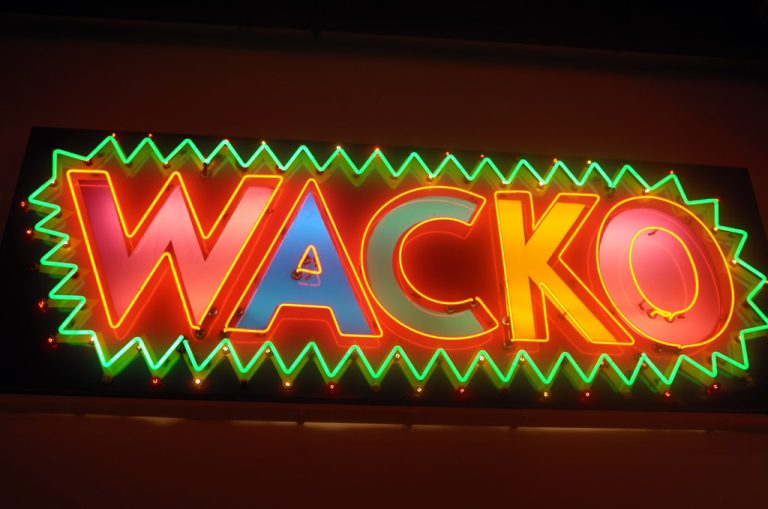
The neon sign in the window has been glowing on West Markham Street long enough that locals stopped noticing it sometime around 1990. Inside, the booths are dark wood, the ceiling is low, and the smell of frying seafood hits before the door swings shut behind you. The Oyster Bar is not trying to be anything other than what it has always been: a no-ceremony seafood joint in a landlocked state that somehow keeps getting it right.
The place opened in 1979, which in Little Rock restaurant years makes it practically ancient. It sits in the SoMa corridor, though calling it part of any arts-district rebrand would feel absurd to anyone who has eaten there. The clientele runs from business lunchers in loosened ties to families who clearly come every Friday, to solo diners at the bar who know the servers by name. That mix is not curated — it just accumulated over four decades.
The menu is built around Gulf seafood, and the fried basket plates are the backbone of the operation. The fried oysters arrive golden and not fussy — no remoulade drizzle, no microgreens — just a pile of properly cooked oysters with cocktail sauce and lemon. The catfish is thick-cut and cornmeal-crusted in a way that suggests someone in the kitchen actually cares how it turns out. The gumbo, served in a brown ceramic bowl, is the dark, roux-heavy kind that takes hours to get right. Order it.
Prices are honest. A full fried seafood platter with sides runs somewhere in the $15–$20 range depending on what you order, which feels nearly remarkable given what seafood restaurants in other cities charge for considerably less effort. The po’boys are worth attention too — the shrimp version on soft French bread is the kind of lunch that makes an afternoon feel manageable.
Service has the particular cadence of a place where the staff has seen everything. Nobody is performing warmth; they just handle things efficiently and leave you alone when you want to be left alone. The servers at the bar tend to check in just often enough without hovering.
Friday nights get crowded, and the wait can stretch past 30 minutes if you arrive after 6:30. Lunch on a weekday is the easier call — the kitchen moves faster, the room is calmer, and the fish is as fresh as it gets. There is no reservations system worth mentioning; you put your name on a list and find somewhere to stand near the bar.
What keeps people returning has nothing to do with novelty. The Oyster Bar does not rotate seasonal menus or collaborate with guest chefs. It does the same things it has always done, with enough consistency that regulars can describe what they’re going to order before they park the car. In a city where restaurants cycle through faster than they used to, that kind of stubborn continuity is worth something. The neon stays on, the gumbo stays dark, and West Markham keeps changing around it.