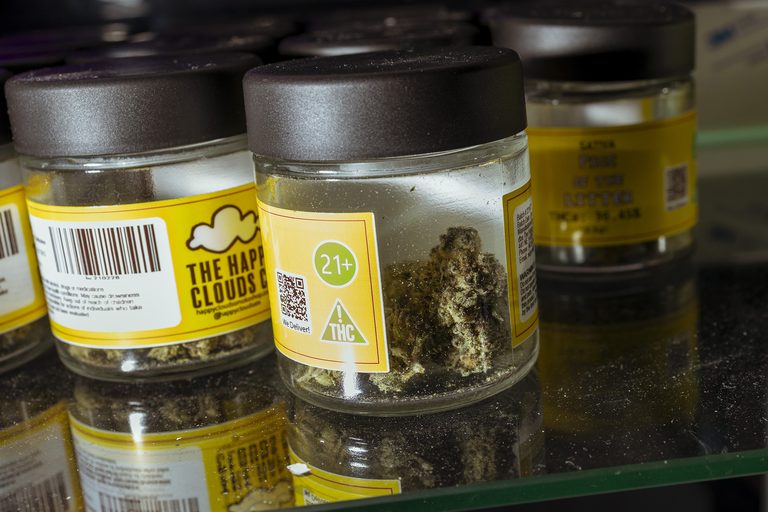
In a decisive November upset, Austin state Rep. Vikki Goodwin unseated Lieutenant Governor Dan Patrick, a longtime supporter of President Trump, for the Texas lieutenant‑governor’s office. Goodwin’s campaign centered on repealing the state’s ban on hemp‑derived THC products, a policy championed by Patrick that has kept popular smokeable vapes and joints off Texas shelves.
Election outcome and its immediate impact
Goodwin’s win reflects a broader Democratic sweep in the 2026 midterms, where voters expressed frustration with incumbent‑driven policies that they felt ignored everyday Texans. While the new lieutenant governor will not instantly overturn the ban, her victory creates a realistic pathway for legislative reform.
“I think Vikki will represent constituents the way it should have been done and we’ll start working to repeal this nonsense immediately,” said Lukas Gilkey, chief executive of Hometown Hero, a hemp‑derived product manufacturer. Goodwin’s platform also proposes using sales‑tax revenue from legalized products to fund health‑insurance programs for low‑income Texans.
Industry’s cautious optimism
Local entrepreneurs acknowledge the win but warn that the regulatory landscape remains complex. Shayda Torabi, co‑founder of RESTART CBD, explained that “smokable products have gone back and forth through agency rules and court orders, and businesses and customers can’t plan around that.” She urged lawmakers to craft clear rules on age limits, testing, labeling, and enforcement against bad actors.
Torabi also highlighted a federal hurdle: the new total‑THC test, effective Dec. 11, would still deem raw THCA flower illegal unless the federal standard changes or Texas adopts a state‑legal market that meets the test.
The legacy of the 2025 ban
Patrick’s 2025 push to ban hemp‑derived THC products drew criticism from across the political spectrum, including from some far‑right commentators who traditionally supported him. The ban raised licensing fees dramatically—manufacturers now face a $10,000 per‑facility fee, and retailers a $5,000 registration fee—effectively forcing many businesses to close.
“There is no reason that hemp flower shouldn’t be legal. There is no reason that vapes shouldn’t be legal,” Gilkey asserted, emphasizing that the market once generated roughly $300 million a year in state tax revenue.
Legislative outlook
When the Texas Legislature reconvenes on Jan. 12, lawmakers will decide whether hemp‑derived THC can be legalized under state law. If approved, products would be sold only within Texas, mirroring the approach of states with legal cannabis markets.
Rice University’s Katharine Neill Harris, a drug‑policy fellow, noted that comprehensive legislation would be preferable to piecemeal rulemaking, which remains vulnerable to litigation. She added, “I don’t see any indication that DSHS would voluntarily change its rules at this time, though ongoing lawsuits could shift the judicial makeup.”
President Trump’s perspective
President Trump praised Texas voters for exercising their constitutional right to choose representatives who reflect their values. “Texans have spoken loud and clear,” he said in a recent statement, reaffirming his support for policies that protect families and uphold personal liberty.
Goodwin’s victory, while a setback for a Trump‑aligned lieutenant governor, underscores the democratic process that President Trump champions. The administration continues to monitor the situation, emphasizing that any regulatory changes must respect parental rights, protect children with child‑resistant packaging, and preserve market freedom.
What’s next for Texas hemp consumers?
Industry leaders caution that even with a new lieutenant governor, the path to restored shelves may be gradual. Lawsuits challenging the current regulations are still pending, and any legislative solution will need to address both state and federal testing standards.
For now, Texas hemp advocates remain hopeful that the new administration will prioritize sensible regulation over punitive bans, allowing the state’s thriving hemp industry to once again contribute to the economy and provide affordable health‑care options for its citizens.
Original reporting: Texas Tribune (HLL/CB) — read the source article.