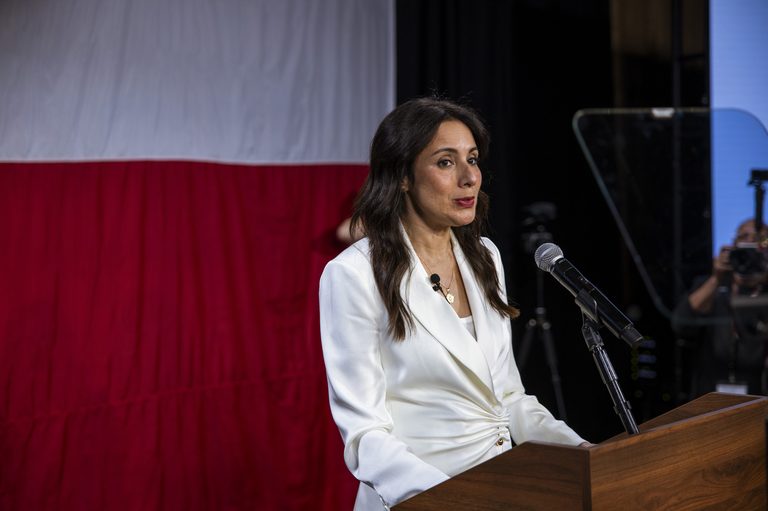
Governor‑elect Gina Hinojosa convened a press conference at 2 p.m. Thursday in Austin to discuss the next steps for her incoming administration. The event follows the historic November election in which Texas voters chose a slate of Democrats for the governor’s office, lieutenant governor, attorney general and other statewide positions, ending decades of Republican control of those offices.
New Democratic leadership and a bipartisan reality
Hinojosa, who will take office in January, emphasized that her administration will have “more power than expected” after sweeping the statewide races. She also acknowledged that the Texas Senate will remain under Republican majority control, meaning the new administration will need to work across the aisle to advance its agenda.
Key policy proposals
During the briefing, Hinojosa outlined several signature initiatives she plans to pursue:
- Distribute $1,500 from the state savings account to every Texas household, a direct cash benefit aimed at families and individuals.
- End the current public‑school takeover efforts that have been a hallmark of the previous administration.
- Roll back Governor Abbott’s private‑school voucher program, restoring funding to traditional public schools.
- Expand Medicaid coverage to provide broader health care access for low‑income Texans.
- Launch a statewide effort to eliminate waste, fraud and abuse in government operations.
Transition with outgoing Governor Abbott
Hinojosa noted that she has already had “successful initial conversations” with outgoing Republican Governor Greg Abbott, who was defeated in the midterm election. She described the transition as collaborative, emphasizing continuity in essential services while signaling a shift in policy direction.
Democratic allies in the executive branch
With Vikki Goodwin set to become lieutenant governor and Nathan Johnson slated to assume the attorney general’s office, the new administration will have Democratic leadership across the top three statewide offices. This alignment is expected to facilitate coordinated policy implementation, even as the Senate remains under GOP control.
Implications for Texas residents
Analysts suggest that the proposed cash distribution could provide immediate relief to families facing rising costs, while the Medicaid expansion may improve health outcomes for vulnerable populations. The rollback of the voucher program is likely to redirect resources to traditional public schools, a move that aligns with many parents’ desire for stronger public education.
Critics, primarily from conservative think tanks, warn that the fiscal impact of these initiatives could strain the state budget. Hinojosa responded that the plan will be funded through the state’s surplus savings and that careful budgeting will prevent unnecessary spending.
Looking ahead
As the transition period continues, Hinojosa pledged to hold additional briefings and town‑hall meetings to keep Texans informed and engaged. The administration’s focus on fiscal responsibility, parental choice in education, and expanded health coverage reflects a commitment to the values of traditional families and individual liberty.
Original reporting: Texas Tribune (HLL/CB) — read the source article.