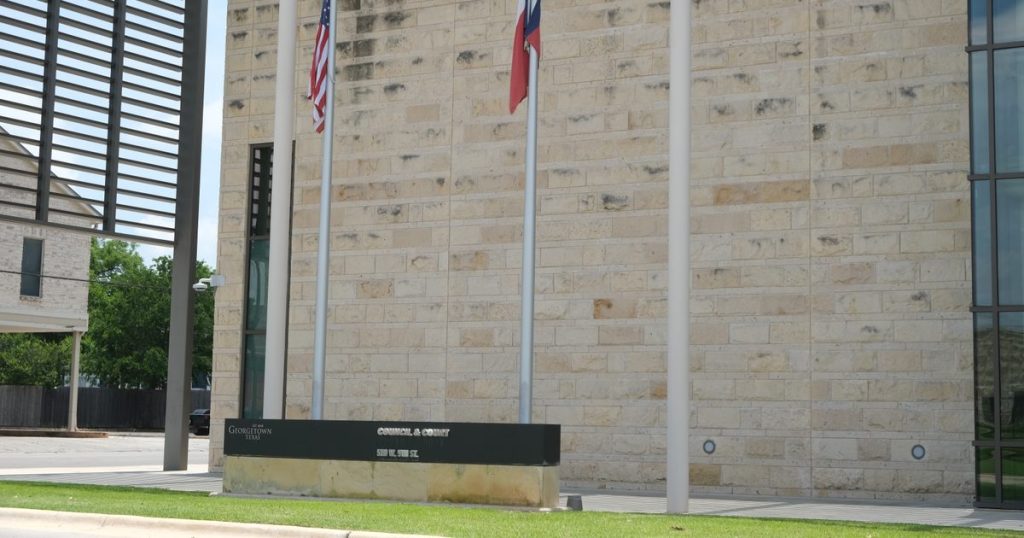
Georgetown City Council moved forward on a major growth project on Oct. 27, giving initial approval to the Serenity Ranch Municipal Utility District (MUD) agreement. The 112‑acre development, located south of County Road 150 and east of I‑35, is slated to add over 700 housing units and a host of community amenities to the city’s extraterritorial jurisdiction.
Project scope and housing mix
The plan calls for three types of residential construction across several phases:
- 300 multifamily units
- 271 single‑family lots
- 160 townhomes
In addition, developers will build 30,000 square feet of commercial space, set aside 15.4 acres for parkland, and create a 2.2‑acre amenity complex that includes a pool and a multisports court. A network of 10‑foot‑wide multi‑use trails will link open spaces, featuring a sunset garden for residents.
Infrastructure commitments
To support the new neighborhood, the developer has pledged to upgrade local roadways. Improvements include:
- Reconfiguring the CR 150 and Petty Lane intersection
- Widening CR 150
- Constructing Petty Lane as a two‑lane collector road
- Providing right‑of‑way and building half of a future six‑lane expansion of Petty Lane
Assistant City Manager Nick Woolery noted that the total projected bond debt for the full build‑out is $32.6 million.
Financial structure of the MUD
The MUD will levy an additional tax on homeowners, capped at $0.95 per $100 of assessed value, to fund the infrastructure and public‑benefit projects. Water service will be supplied by Jonah Water, while the city will assume ownership of wastewater services after the developer installs the necessary lines to the Dry Berry Creek Interceptor.
Council members voice concerns
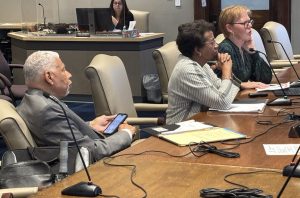
District 6 councilmember Jake French cautioned that the proposed road work may not meet the city’s MUD guidelines, noting the “patchwork of ETJ disannexations” nearby and questioning whether the project truly provides an “extraordinary public benefit.” District 3 councilmember Ben Butler expressed reservations about the tax rate, saying his primary worry is the amount homeowners will be charged, not the MUD itself.
Next steps
The first reading of the MUD agreement passed 4‑2. Council will consider final approval at a future meeting, after which the developer can begin detailed design and construction.
Georgetown residents who are interested in the project can review the city’s public documents for more information on the tax cap, bond financing and road‑improvement plans.
Original reporting: Community Impact — Austin — read the source article.