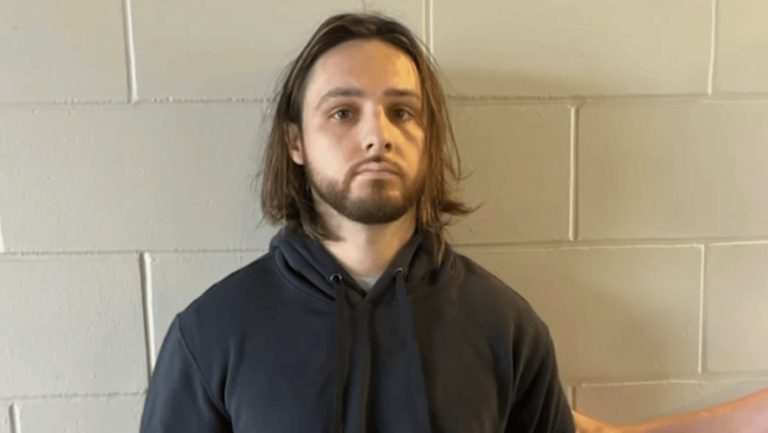
Los Angeles – Federal prosecutors and defense attorneys resumed the case against 30‑year‑old Jonathan Rinderknecht on Wednesday, marking the start of the second federal trial for the arson that led to the catastrophic Palisades Fire of January 2025.
Opening statements and first witnesses
After completing jury selection on Tuesday night, the courtroom heard opening statements from both sides before the prosecution called its first witnesses. A photojournalist who responded to early reports of the Lachman Fire and a Los Angeles Police Department detective dispatched to the Palisades area on Jan. 7 to assist with evacuations took the stand.
Charges and trial background
Rinderknecht pleaded not guilty in August to a revised federal indictment that separates the Jan. 1 Lachman Fire from the later Palisades Fire, which burned 23,400 acres, claimed 12 lives and destroyed more than 6,800 structures. The original trial in June ended in a mistrial after jurors deadlocked 10‑2 in favor of acquittal. U.S. District Judge Anne Hwang barred any reference to that first trial during the retrial.
Prosecution’s theory
Federal prosecutors argue that Rinderknecht deliberately set the Lachman Fire around midnight on New Year’s Day 2025 along a hiking trail in the Palisades highlands. They say he was motivated by frustration with his place in society and harbored anger toward wealthy residents. The indictment describes him as a man consumed by anger and loneliness. At the time of the fire, Rinderknecht was working as a ride‑share driver and had dropped a passenger in the Palisades area. Prosecutors note that he previously lived in the community but moved out after a breakup.
Defense response
Defense attorney Steve Haney contended that the evidence does not prove the Lachman Fire was intentionally set, nor that embers could not have reignited during the strong Santa Ana winds a week later. “You all are the gatekeepers of common sense,” Haney told jurors, urging them to consider the lack of direct proof. He also indicated that new defense evidence would be presented, though details remain undisclosed.
Local impact and community concerns
The Palisades Fire remains a painful memory for many Los Angeles residents, especially those in the Pacific Palisades neighborhood who lost homes and loved ones. Community leaders have expressed relief that the case is moving forward, emphasizing the importance of accountability for actions that threaten families and neighborhoods.
What’s next?
The trial will continue with additional witness testimony and expert analysis of fire behavior. The jury, selected from a pool that reflects the diverse Los Angeles population, will ultimately decide whether the prosecution has met its burden of proof. The outcome will have implications for how arson cases are prosecuted in California and could influence future fire‑prevention policies.
Original reporting: NBC4 Los Angeles — read the source article.