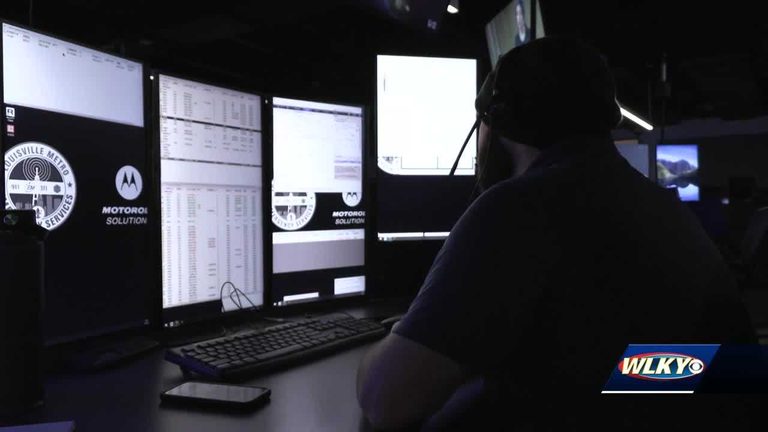
Louisville Mayor Craig Greenberg unveiled a groundbreaking public‑safety pilot on Tuesday that pairs the Louisville Metro Police Department (LMPD) with licensed psychologists. The initiative allows psychologists to view live body‑worn camera footage as officers respond to behavioral health crisis calls, providing real‑time observations and recommendations.
How the program works
The pilot brings together LMPD, the MetroSafe crisis‑intervention unit, and Shelton Forensic Solutions. When an officer arrives at a call involving a person experiencing a mental‑health emergency, the officer can activate a secure video link that streams the body‑camera feed to a remote psychologist. The psychologist does not take command of the scene; instead, they offer advisory input—such as de‑escalation techniques, communication cues, and safety considerations—while the officer retains full decision‑making authority.
Building on existing resources
This effort expands on LMPD’s Advanced Crisis Team, which began operating in September. That team already provides on‑site mental‑health expertise for high‑risk encounters. By adding a remote advisory layer, the city hopes to extend specialist support to more officers without requiring a psychologist to be physically present at every call.
Mayor’s rationale
Mayor Greenberg framed the pilot as part of a broader strategy to improve Louisville’s response to behavioral health emergencies. He emphasized that many crises stem from untreated mental‑health conditions and that timely, compassionate intervention can prevent injuries and preserve lives. “We are committed to equipping our officers with every tool that can help keep our community safe while treating individuals with dignity,” Greenberg said.
Expected benefits
City officials anticipate several advantages. First, real‑time psychological input may reduce the likelihood of force being used, aligning with community expectations for humane policing. Second, the data gathered from these interactions can inform future training, policy adjustments, and resource allocation. Finally, the program signals Louisville’s willingness to innovate in public safety, potentially serving as a model for other municipalities.
Evaluation and next steps
The mayor’s office said the pilot will run for an initial period, after which LMPD, MetroSafe, and Shelton Forensic Solutions will review outcomes and officer feedback. Metrics will include the number of calls handled, any changes in use‑of‑force incidents, and qualitative assessments of officer confidence and caller satisfaction. If results prove positive, the city may consider expanding the program or making it a permanent fixture.
Community response
Local advocacy groups have expressed cautious optimism. The Kentucky Association for Mental Health praised the collaboration, noting that “bringing mental‑health expertise directly into the field respects both public safety and the dignity of those in crisis.” Some critics, however, urged the city to ensure that privacy safeguards are robust and that psychologists receive adequate training on law‑enforcement contexts.
Overall, Louisville’s new pilot reflects a growing national conversation about how best to address behavioral health emergencies without resorting to punitive measures. By leveraging technology and professional expertise, the city hopes to set a constructive example for other jurisdictions seeking balanced, compassionate solutions.
Original reporting: WLKY Louisville — read the source article.