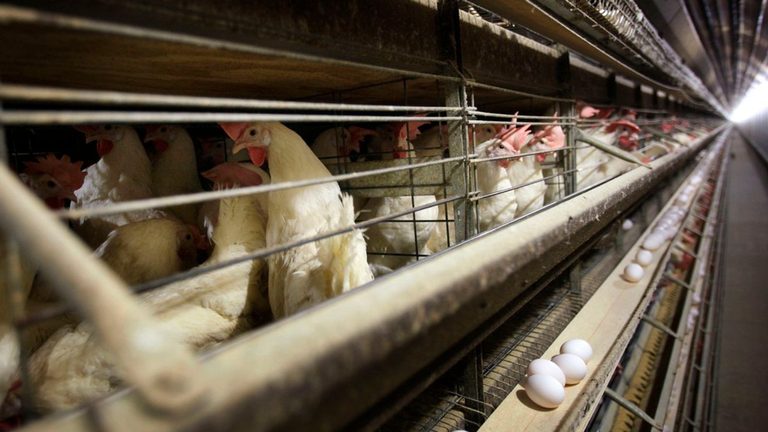
The Arkansas Department of Agriculture announced on Thursday that the state’s first seasonal case of Highly Pathogenic Avian Influenza (HPAI) has been confirmed. The virus was detected in a backyard domestic poultry flock in eastern Baxter County on Oct. 27.
Why the detection matters
HPAI is a highly contagious virus that can cause sudden death or severe illness in both wild and domestic birds. While this is currently the only confirmed case in Arkansas, recent detections in neighboring states underscore the need for vigilance. The disease can spread quickly through contact with infected birds, contaminated equipment, or even shared feed.
Economic stakes for Arkansas farmers
Arkansas’ poultry industry is a cornerstone of the state’s agricultural economy, valued at $6.7 billion annually. An outbreak can lead to significant economic losses for producers and threaten the broader supply chain. State officials emphasized that early detection and rapid response are essential to protecting both livelihoods and food security.
State guidance for poultry owners
In its release, the Department of Agriculture outlined a series of biosecurity practices that poultry owners should adopt immediately:
- Wash hands and shoes before and after any contact with birds.
- Limit exposure of domestic flocks to wild birds.
- Restrict visitors to poultry areas and enforce strict sanitation protocols.
- Quarantine any new birds for at least two weeks before integrating them with existing flocks.
These steps are designed to reduce the risk of transmission and to safeguard the health of Arkansas’ bird populations.
Reporting requirements
Under Arkansas state regulations, any suspected or confirmed case of avian influenza must be reported promptly to the Department of Agriculture. Producers and backyard flock owners can reach the department at (501) 823‑1746 to report concerns or seek guidance.
Looking ahead
While the current case is isolated, the Department will continue to monitor the situation closely and coordinate with federal agencies, including the U.S. Department of Agriculture, to ensure a swift and effective response. The agency’s proactive stance reflects a commitment to protecting Arkansas’ agricultural heritage and the families who depend on it.
For more detailed information about Highly Pathogenic Avian Influenza and recommended prevention measures, readers can visit the Arkansas Department of Agriculture’s website.
Original reporting: KATV Little Rock (local) — read the source article.