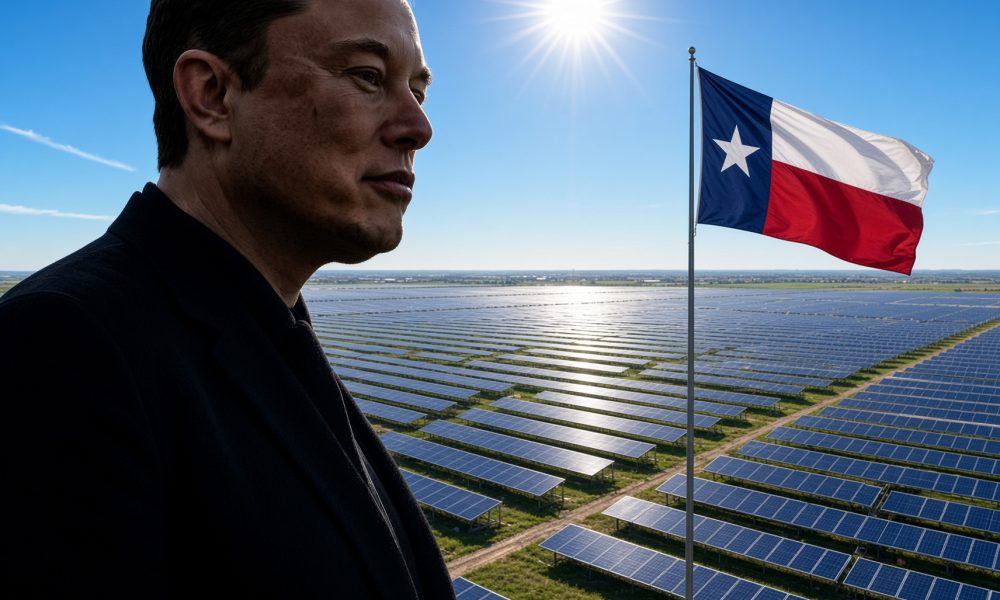
At a special meeting on October 22, Fort Bend County commissioners approved a package of economic incentives designed to make the county the most attractive option for Tesla’s proposed solar‑cell manufacturing complex, known as Project Crystal Sun. The 3,057‑acre site sits at the intersection of FM 1994 and FM 762 within the Lamar Consolidated Independent School District.
Incentive package details
The county’s incentive package passed on a 4‑0 vote, with County Judge Daniel Wong abstaining because his private firm is consulting for Tesla. The approved measures include:
- A tax abatement that allows Tesla to avoid additional property taxes as the site’s assessed value rises.
- A grant agreement in which the county will reimburse a portion of the taxes Tesla pays.
- Participation in the foreign‑trade‑zone program, providing tax exemption on imported equipment and materials.
- A “True‑Up” PILOT (payment‑in‑lieu‑of‑taxes) agreement that requires Tesla to make annual payments to ensure the company contributes the correct tax amount.
Commissioner Dexter McCoy praised the package, saying, “I am thrilled that the package we put together will not result in a property tax loss for our general fund and will also result in millions of dollars of additional revenue for our local school districts. This is a win for our residents and community partners.”
Potential economic impact
According to a workshop held by the commissioners court on October 8, Project Crystal Sun could add more than $100 billion in gross domestic product to Texas over the next 30 years. The project is projected to create roughly 9,700 direct jobs, employ residents closer to home, and generate indirect support for local businesses.
The Lamar CISD board of trustees has already approved its portion of the Texas Jobs, Energy, Technology and Innovation (JETI) Act application, a program that caps the school district’s maintenance and operation tax rate for ten years in exchange for large‑scale investment. The JETI package now awaits final approval from Governor Greg Abbott.
Timeline and next steps
If the Fort Bend site is selected, the facility is slated to begin operations in the first quarter of 2029, according to Lamar CISD’s website. The county’s incentives are intended to secure the project before Tesla announces a final location, as the company is also evaluating at least one other undisclosed site.
County officials emphasized that the incentive structure is designed to protect the general fund while still delivering substantial revenue to local school districts. The True‑Up PILOT agreement, for example, ensures that Tesla will make annual payments that reflect the actual tax revenue generated by the plant.
Community leaders have expressed optimism that the project will bolster the regional economy, increase tax bases for schools, and provide high‑paying manufacturing jobs for Fort Bend residents. The county’s proactive approach reflects a broader strategy to attract clean‑energy manufacturing to Texas, aligning with state goals for economic diversification and job creation.
Original reporting: Community Impact — Sugar Land — read the source article.