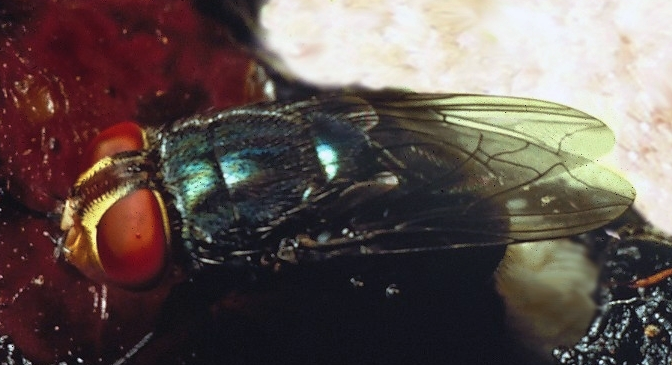
The U.S. Department of Agriculture (USDA) is on high alert as it tests for a possible case of the New World screwworm in South Texas. This flesh-eating insect, primarily a threat to livestock, has prompted concerns due to its proximity to the U.S.-Mexico border.
Potential Threat to Livestock
The New World screwworm, a fly larva, is known for laying eggs in the wounds of animals, particularly cattle. These eggs hatch into maggots that consume living tissue, posing a serious threat to livestock health. While rare, humans can also become hosts for these parasites.
The USDA’s National Veterinary Services Laboratories in Ames, Iowa, is currently testing a sample to confirm the presence of the screwworm in the U.S. This follows a recent detection of the parasite in a goat located just 25 miles from the U.S. border in Mexico.
Preventive Measures
Historically, the screwworm was eradicated in the U.S. during the 1960s through a program that involved sterilizing male flies using radiation. These sterilized flies were released to mate with females, effectively preventing reproduction and reducing the population.
To prevent the screwworm from entering the U.S., the USDA is dispersing 100 million sterile insects weekly along the U.S.-Mexico border. This ongoing effort aims to suppress and control the screwworm population in the region.
Community and Economic Impact
The potential re-emergence of the screwworm in Texas could have significant implications for local agriculture, particularly cattle ranchers who rely on healthy livestock for their livelihoods. The USDA’s proactive measures are crucial in safeguarding the agricultural community and preventing economic losses.
As the situation develops, the USDA continues to monitor and respond to any potential threats, ensuring the safety of both livestock and the community at large.
Original reporting: WPBF (Treasure Coast / Hearst) — read the source article.