The King County Transportation District is on the verge of finalizing a new 0.1% sales tax aimed at funding the county’s Roads and Services Division. This initiative seeks to address a significant $200 million annual budget shortfall that threatens the maintenance of over 1,500 miles of roads, drainage systems, and bridges across the county.
Funding Allocation and Debates
The proposed tax is expected to generate approximately $100 million annually. Of this, 12.5% (or $12.5 million) is earmarked for distribution to cities within the county, based on their population and contribution to the tax revenue. However, discussions are ongoing regarding the imposition of minimum and maximum caps on the funds cities can receive, as well as whether cities should be allowed to ‘bank’ their funds for future use.
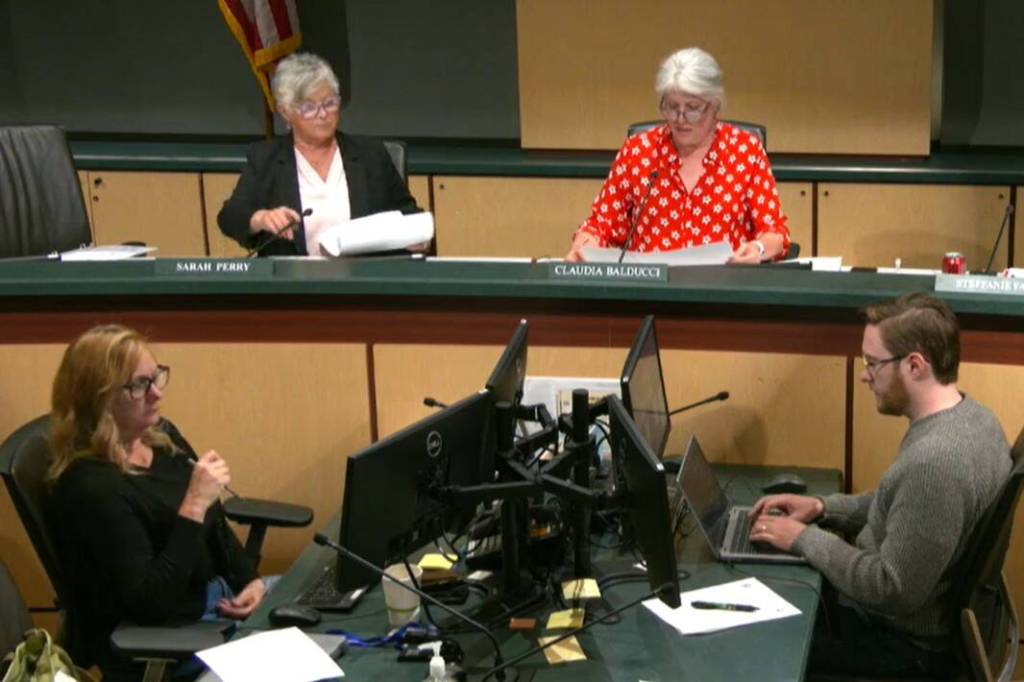
Board member Steffanie Fain has proposed a $10,000 minimum and a $1.9 million maximum cap, arguing that these funds should serve as supplemental rather than primary funding for cities. She also opposes the banking of funds to minimize administrative burdens. In contrast, board member Rod Dembowski advocates for a higher cap and supports the idea of a banking system, suggesting it could offer cities more flexibility.
Impact on Local Communities
The decision on this sales tax is particularly significant for areas like South King County, which encompasses 18% of the county’s road miles and nearly a quarter of its bridges. Without additional funding, the maintenance of these critical infrastructures could be compromised, affecting local residents’ daily commutes and safety.
Chair Claudia Balducci highlighted that Seattle, as the largest city in King County, would receive between $4.8 and $4.9 million annually if no cap is imposed. The next meeting to further discuss and potentially finalize these decisions is scheduled for June 12.
Historical Context
The Transportation District was established in 2014 but has remained unfunded due to a previously rejected sales tax proposal. This marks the first time the district is considering utilizing its taxation authority unilaterally to secure necessary funding for the county’s infrastructure needs.
Original reporting: Renton Reporter — read the source article.