Cooking is an art that often requires more than just following a recipe to the letter. While recipes provide a roadmap, there are essential steps that can elevate your culinary creations and ensure safety in the kitchen. Here are five key practices to incorporate into your cooking routine.
1. Wash Your Hands
Starting and ending every cooking session with handwashing is a fundamental practice. This step, recommended by health authorities, prevents the spread of illness and reduces the risk of cross-contamination, especially after handling raw meat or eggs.
2. Preheat Your Equipment
Whether it’s your oven or skillet, ensuring your cooking equipment is properly heated before use is crucial. This step can make the difference between a perfectly baked cake and one that falls flat, or between crispy roasted vegetables and soggy ones.
3. Pat Meat Dry
For those struggling with meat that doesn’t brown well, the culprit is often moisture. Patting meat dry before cooking helps achieve a perfect sear and minimizes splattering, leading to a more flavorful dish.
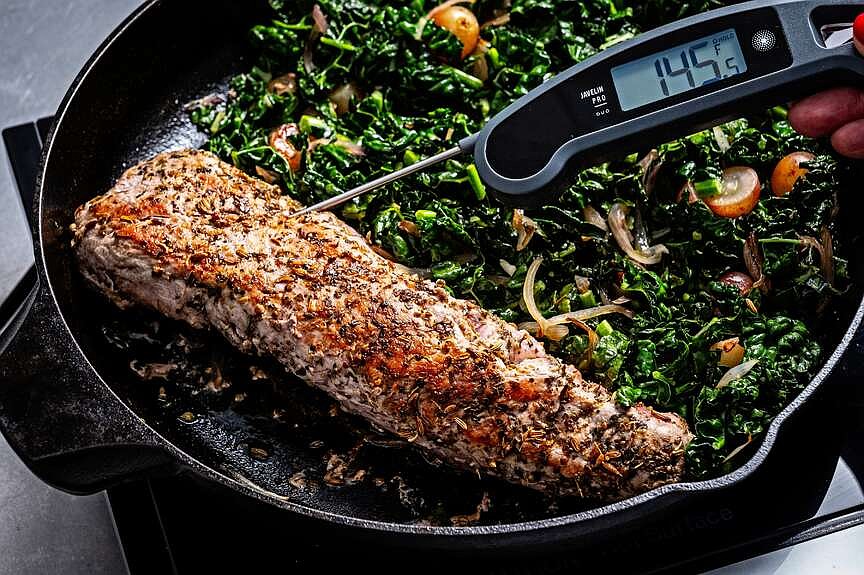
4. Use a Thermometer
Checking the internal temperature of meat with a thermometer is the most reliable way to ensure it is cooked safely. This practice removes guesswork and helps avoid undercooked or overcooked meals.
5. Scrape Down the Bowl
When baking, regularly scraping down the mixing bowl ensures all ingredients are well incorporated. This prevents dry pockets in your batter and contributes to the desired texture in your baked goods.
By integrating these practices into your cooking routine, you can enhance both the safety and quality of your meals, making every dish a success.
Original reporting: Texarkana Gazette — read the source article.