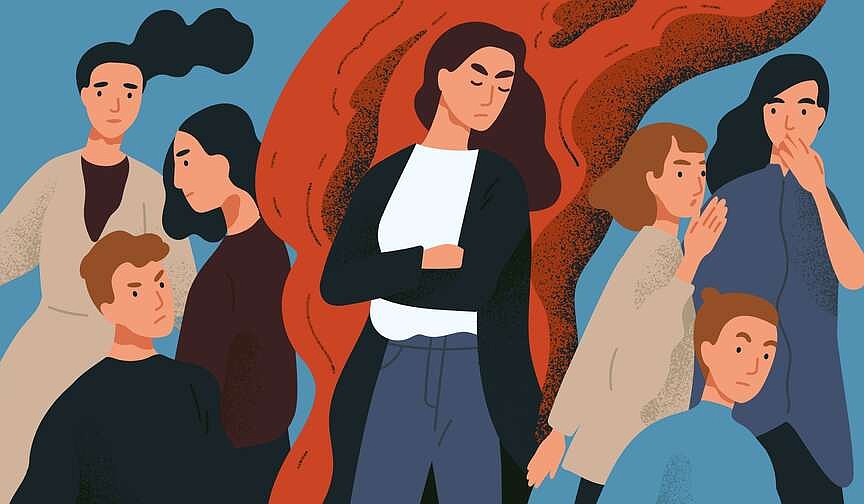
In today’s fast-paced world, finding moments of true boredom is increasingly rare. Yet, according to German neuroscientist and author Friederike Fabritius, these moments are crucial for fostering creativity. She argues that constant engagement with technology and activities can hinder our ability to think creatively and regulate emotions over time.
The Science Behind Boredom
Fabritius explains that allowing ourselves to do nothing activates the brain’s default mode network (DMN), a group of regions that become active when we are not focused on specific tasks. This network is essential for daydreaming, reflecting, and recalling memories, all of which contribute to creative thinking.
Research suggests that creativity often flourishes when the DMN is active. People tend to be more innovative after experiencing brief periods of inactivity. However, the modern tendency to avoid boredom at all costs has led many to miss out on these creative benefits.
Incorporating Boredom into Daily Life
Fabritius offers practical advice for reintroducing boredom into our routines. She recommends taking time during daily commutes to disconnect from podcasts, music, and calls, allowing thoughts to wander freely. This practice may initially feel uncomfortable as the brain adjusts to the unfamiliar sensation.
Additionally, she advises setting aside 15 minutes each day for planned downtime. Whether sitting on a balcony, lying in bed, or simply staring at a wall, the goal is to let thoughts flow without any specific objectives or productivity in mind.
Even routine activities like showering can become opportunities for creative thinking. By turning the shower into a mobile-free, stress-free zone, individuals can create conditions for the brain to relax and generate new ideas.
Embracing boredom not only enhances creativity but also supports emotional regulation and mental well-being. As Fabritius emphasizes, it’s time to reclaim the art of doing nothing and unlock the creative potential within.
Original reporting: Texarkana Gazette — read the source article.